
AKSHATA Participatory Rice Seed Conservation Initiative
By SARA – Sustainable Alternatives for Rural Accord
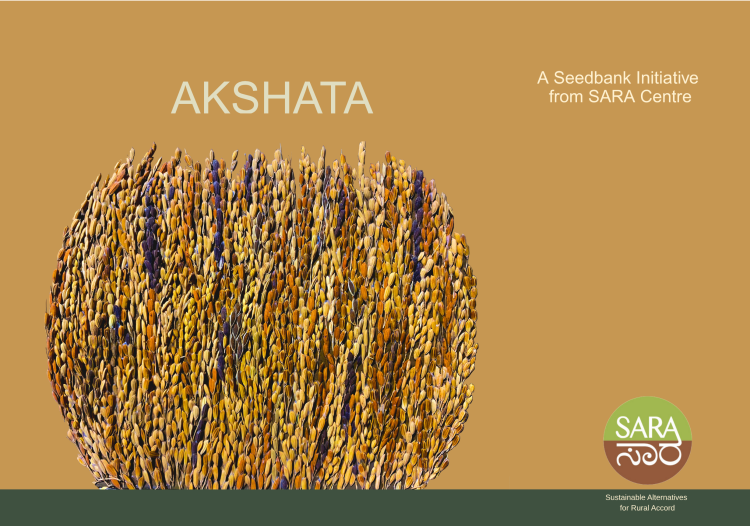
The Disappearing Diversity of Rice
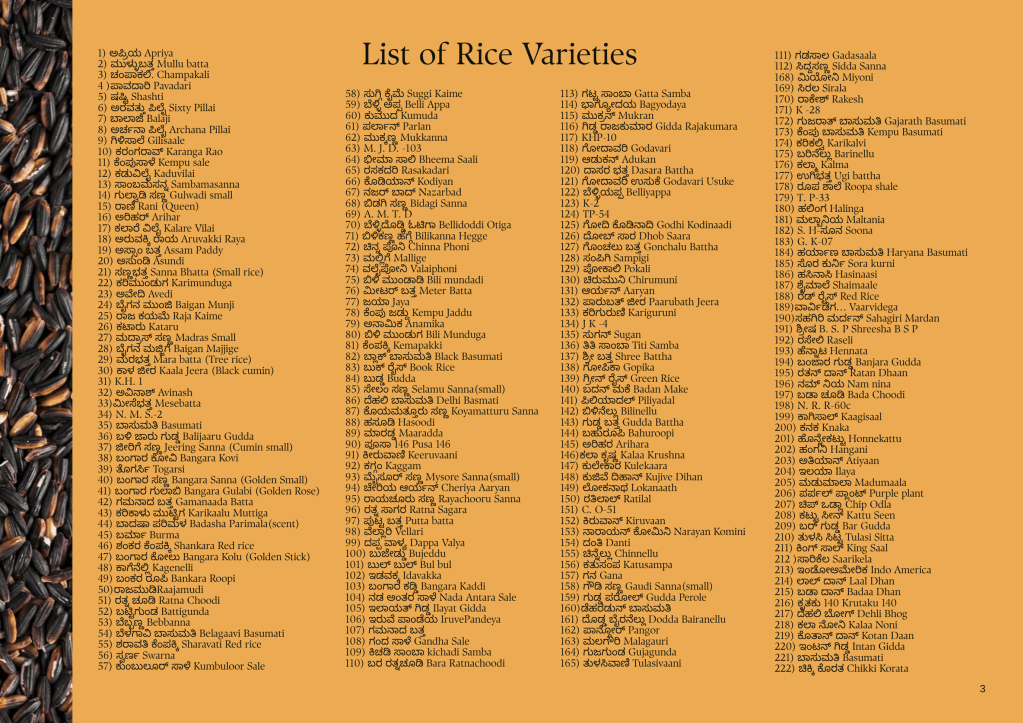
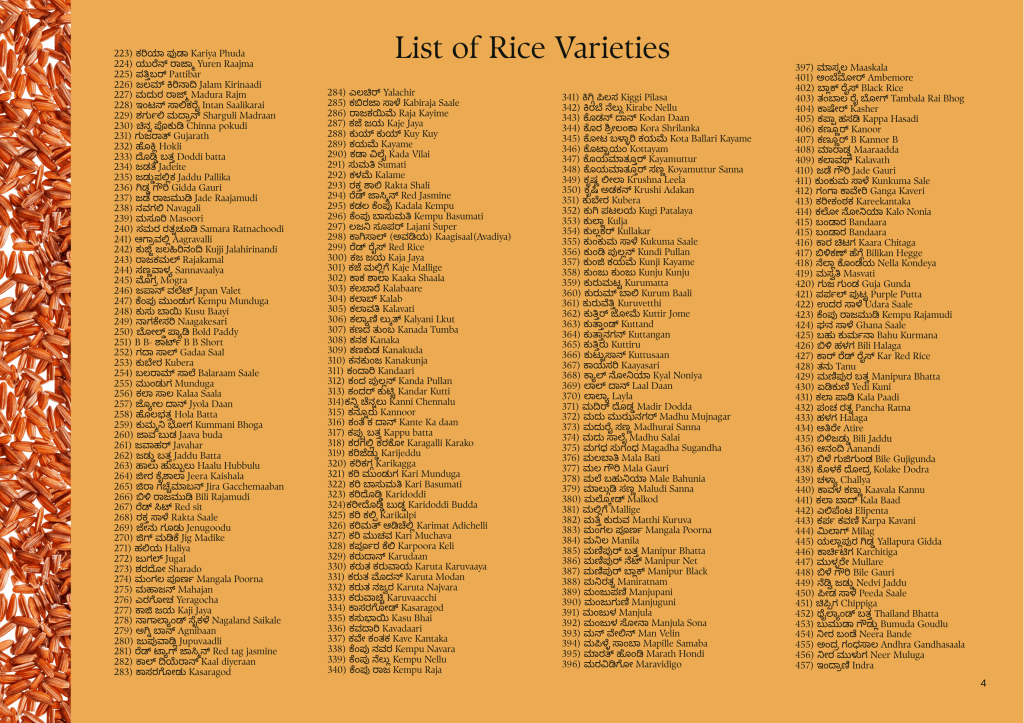
India has historically been one of the richest centers of rice diversity in the world. For centuries farmers cultivated thousands of rice varieties adapted to different landscapes, soils, climates, and cultural traditions.
“Prior to the green revolution in the 1960s, India was home to more than 100,000 rice varieties“-UNEP
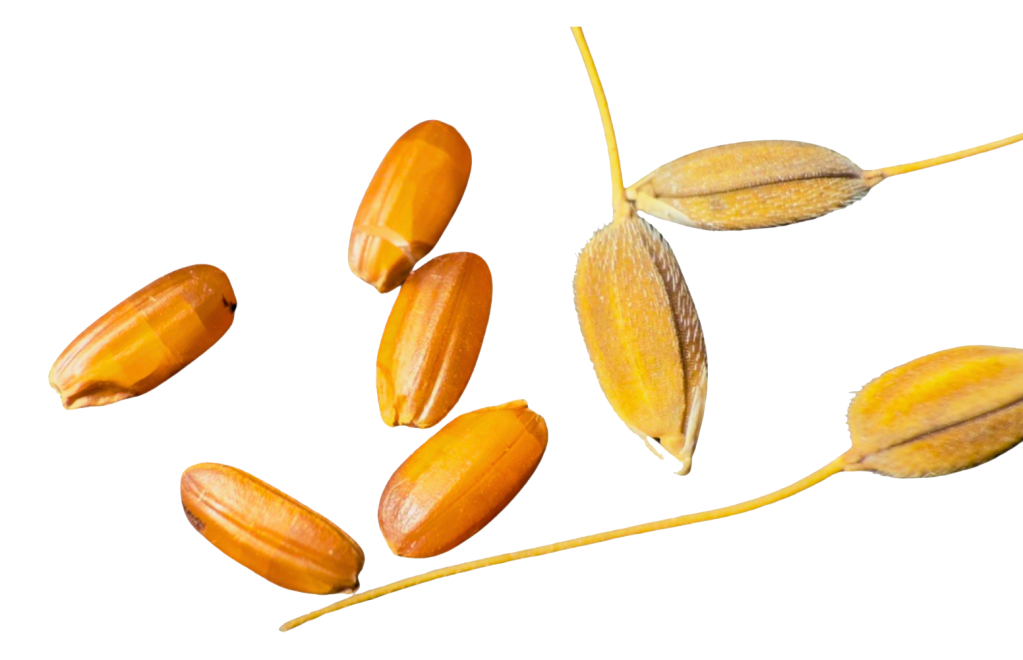
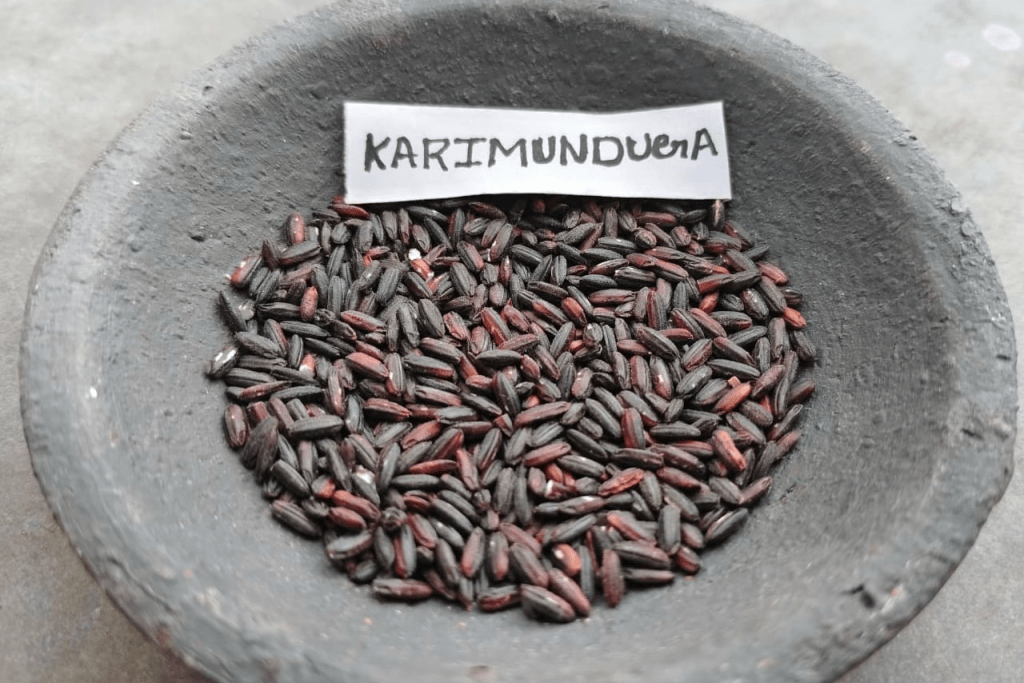
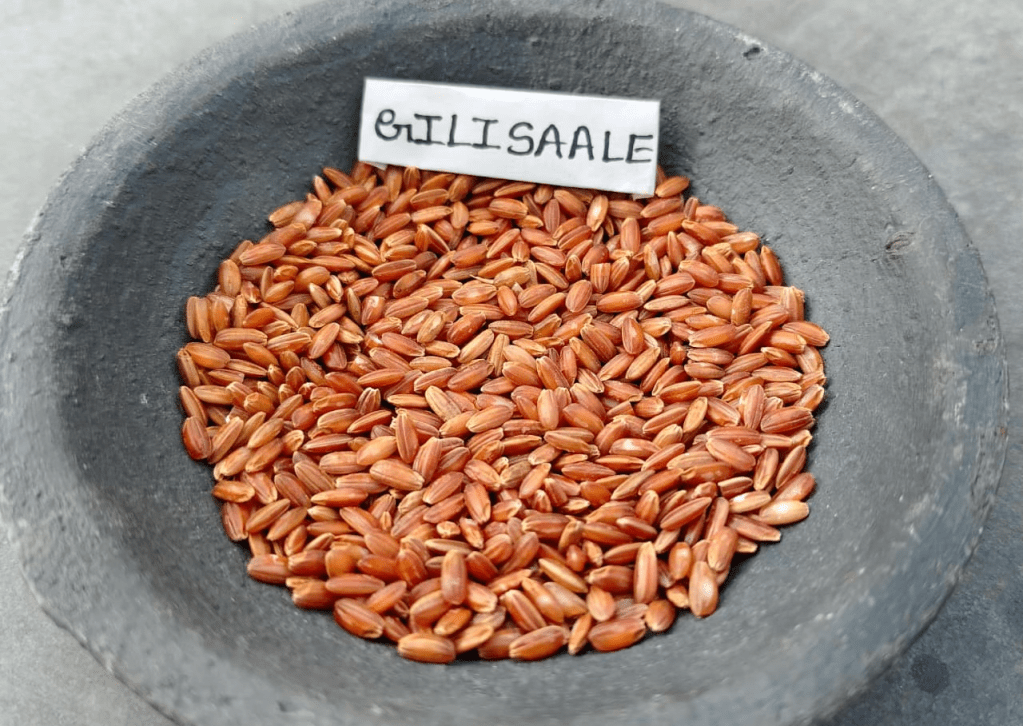
These varieties were not simply crops. They embodied generations of agricultural knowledge, culinary traditions, nutritional diversity, and ecological adaptation. However, the agricultural transformations following the Green Revolution in the 1960s and 1970s dramatically altered this landscape. A small number of high-yield varieties were introduced. Chemical fertilizers and pesticides were used along with these varieties. Monoculture farming practices were also adopted. These changes gradually replaced many traditional rice varieties across the country. Within a few decades, an enormous diversity of indigenous rice varieties disappeared from cultivation. Today, only a small fraction of these varieties remains actively grown in farmers’ fields.
With every disappearing seed we lose: • biodiversity
• nutritional diversity
• climate resilience
• cultural memory
• farmers’ freedom to choose and cultivate diverse seeds
Seeds Survive Through Cultivation
Seed conservation is often associated with seed banks and storage. While these efforts are important, seeds truly survive only when they are grown and renewed in living agricultural landscapes. Seeds that remain in cultivation continue to adapt to changing environments. They stay connected to farming knowledge, food traditions, and ecological systems. In this sense, the most meaningful way to conserve seeds is through cultivation, not storage alone. However, farmers today face economic uncertainty when cultivating traditional rice varieties because markets largely favour uniform commercial varieties.
Without support, many farmers hesitate to grow these seeds even when they value them deeply.
Introducing AKSHATA
AKSHATA is a participatory seed conservation initiative by SARA (Sustainable Alternatives for Rural Accord). The initiative aims to foster a meaningful relationship. It connects seed, soil, and farmer with the food consumer. The food consumer ultimately completes this cycle. AKSHATA creates a collaborative model. In this model, conscious citizens participate directly in conserving agricultural biodiversity. They support farmers before the sowing season.
How the Initiative Works
Seed Conservation Partners
Concerned citizens and conscious food consumers are invited to become Seed Conservation Partners. Participants contribute a minimum of ₹2000 or more, helping farmers cultivate traditional rice varieties that otherwise face uncertain markets. This support reaches farmers before sowing, encouraging them to grow rare rice varieties with confidence. As a gesture of gratitude, conservation partners will receive a curated bouquet of traditional rice varieties. This offers an opportunity to experience the diversity of grains, aromas, and flavors. These grains once nourished our food cultures.
Farmers as Custodians of Seeds
To begin with, SARA has identified 20 farmers. These farmers are willing to cultivate traditional rice varieties. They will use organic and ecologically responsible farming methods. Through this initiative, SARA will procure the rice harvested by farmers at approximately three times the prevailing market price. This ensures that seed conservation also becomes economically viable for farmers. Farmers participating in the initiative are recognised as custodians of agricultural biodiversity and traditional knowledge.
Promoting Sustainable Farming
AKSHATA not only focuses on conserving seeds but also promotes sustainable and organic farming practices. The initiative supports farmers who grow traditional rice varieties using ecological methods. This strengthens the relationship between seed diversity and soil health. It also enhances sustainable agriculture.
Role of SARA
SARA acts as a facilitator and bridge between farmers and conservation partners. Its role includes:
• identifying farmers willing to grow traditional rice varieties
• ensuring organic and ecological farming practices
• coordinating participation of Seed Conservation Partners
• procuring rice from farmers at fair and supportive prices
• documenting traditional rice varieties
• conducting laboratory testing of rice varieties to better understand their nutritional and ecological characteristics
• distributing curated sample sets of rice varieties to conservation partners
Future Vision
AKSHATA is envisioned as a growing participatory movement. In the coming years SARA aims to:
• increase the number of farmers cultivating traditional rice varieties
• expand the network of Seed Conservation Partners
• multiply seeds and return them back to farming communities
• document the knowledge and stories associated with rice varieties
• bring food consumers closer to farmers and the farming process
The long-term goal is to ensure that traditional rice varieties remain alive in fields, kitchens, and communities.
Become a Seed Conservation Partner
By becoming a Seed Conservation Partner, you contribute to the revival of traditional rice varieties. You also support farmers who continue to safeguard agricultural biodiversity.
Your participation helps ensure that these seeds remain a living part of our food systems.
Minimum contribution: ₹3000
Participants will receive a bouquet of traditional rice varieties as a gesture of gratitude. This also serves as recognition of their involvement in the seed conservation movement.
Together we can bring forgotten seeds back to life.
Payment and Registration
Registration Form for your contribution:



SARA Pro-seed Artist Residency – June 2024
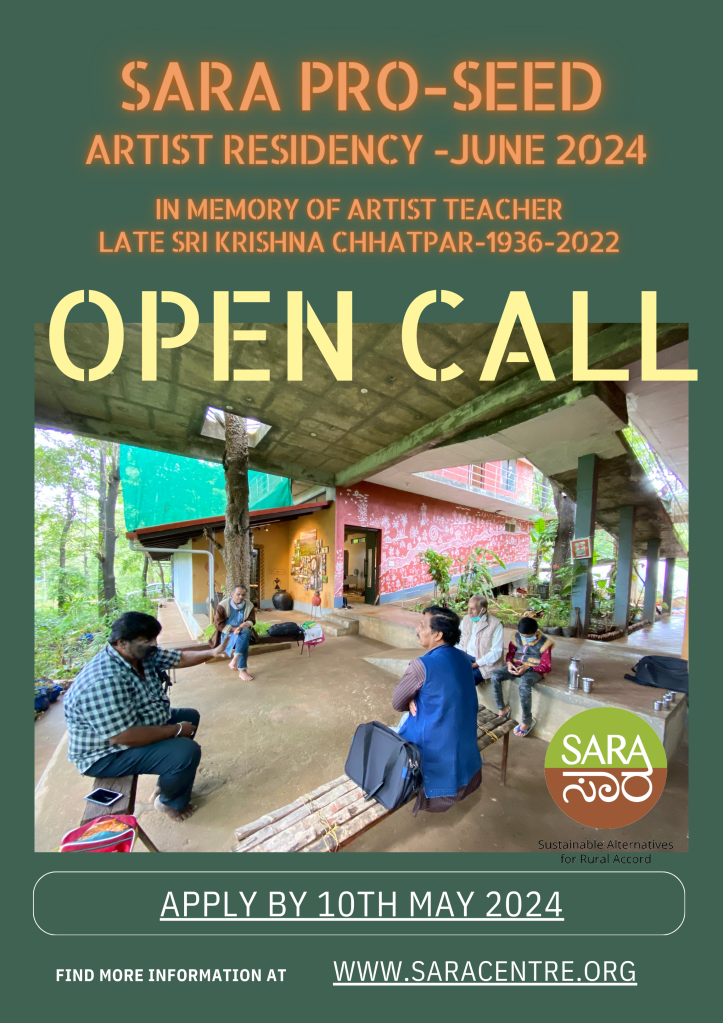
In Memory of Artist Teacher, the Late Sri Krishna Chhatpar (1936-2022)
Introduction:
The Pro-seed Artist Residency, a pilot initiative hosted at the SARA Centre, aims to inspire a new generation of artists to engage with visual and ecological awareness adequately. We strive to foster creative dialogue to reconnect young artists with the natural world as we face environmental challenges through the rapid depletion of natural resources. The residency provides an opportunity for young artists to innovate and explore ways to promote creative sustainability through stewardship of natural surroundings. We aim to encourage a platform for aspiring artists to engage with inspiring perspectives that provoke critical inquiry and mindful engagement. Through this pilot initiative, we seek to lay the foundation for a vibrant community of artists committed to addressing the pressing environmental issues of our time.
Objectives:
- Nurture Emerging Talent
- Cultivate Eco-consciousness
- Foster community Collaboration
- Promote Innovation
- Engage with Local Context
Program Structure:
The four-week residency will provide selected artists with studio space, accommodation, and a stipend. Through mentorship, artist talks, site visits, and open studios, participants will have skill-building, dialogue, and reflection opportunities. Collaboration with local environmental initiatives will further enrich the experience, fostering creativity with a purpose.
Application Process:
Open to Indian artists under 30, intensely interested in exploring ecological themes. Applicants should submit portfolios, a statement of intent, and a project proposal. A committee, along with a representative from SARA, will choose two outstanding artists.
Location: SARA Centre, Dombekoppa, Karnataka-577412
Duration: June 1st – June 30th, 2024
Grant: Rs 40,000/-
Deadline for application: 10th May 2024
For inquiries and applications, contact email: info.saracentre@gmail.com
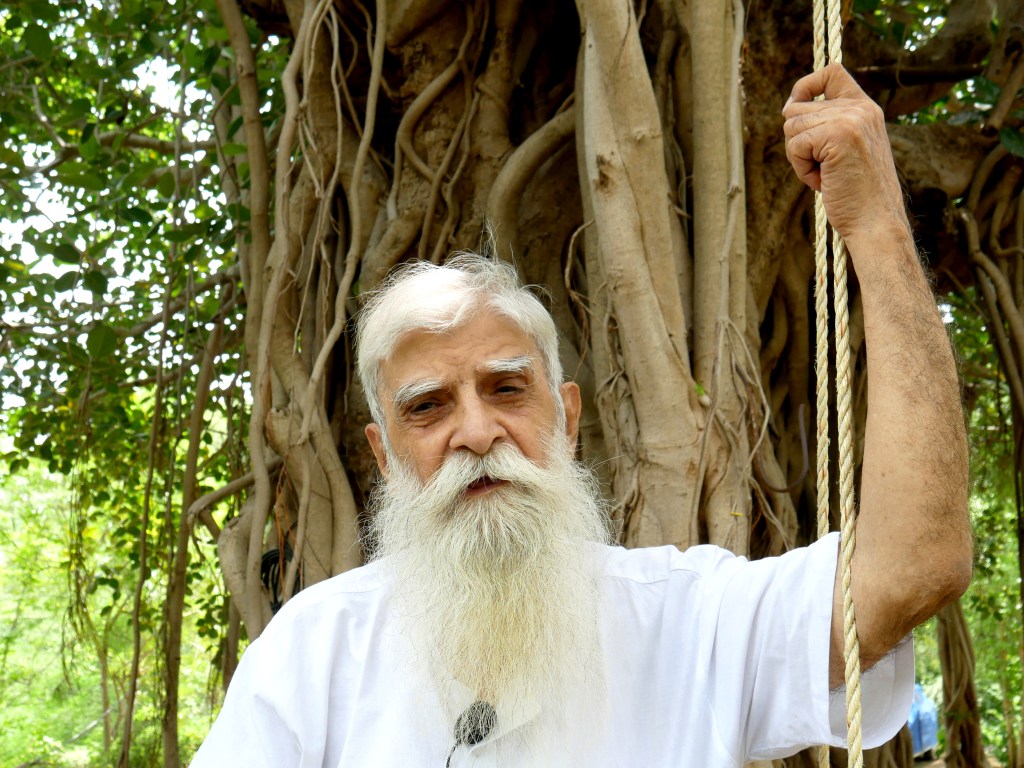
About Krishna Chhatpar
Krishna Chhatpar (1936-2022) was an inspired artist and a committed teacher born in Karachi and settled in Vadodara who studied at the Faculty of Fine Arts, The M. S. University of Baroda. He taught from the 1960s until his retirement in 1997. He was popularly known as Krishnabhai by his student friends, artist contemporaries, and colleagues. His interests and approach remained creative, practical, humane, and modernist, as are his ideas of art and imparting instructions. He earned the enviable love and respect of some dedicated students of the Baroda School and turned a destination for higher education in the fine arts.
Krishna Chhatpar had a distinctive approach to teaching art. He tailored his teaching methods to suit each student’s personality, nurturing their artistic faculties. His teaching philosophy was deeply rooted in the love and understanding of nature and people. He encouraged students to observe their surroundings attentively, thereby instilling an appreciation for the intrinsic beauty and complexity inherent in the natural world. He strived to employ the necessary methodologies to form a strong foundation for an artistic way of life.
His pedagogical ethos was way beyond the formalistic approaches of his time. He encouraged his students to reason and find the multiplicity of our world. His approach to art was consistently humanistic, compassionate, generous and progressive. Krishna Chhatpar’s legacy lives on in the countless artists and art teachers he inspired and nurtured throughout his career since 1973. Dhruva Mistry, G. Ravinder Reddy, Trupti Patel, Arunkumar H.G., Debashish Bhattacharya, Mayur Gupta, Ashok Patel, Zaida Jacob and many others.
About SARA Centre:
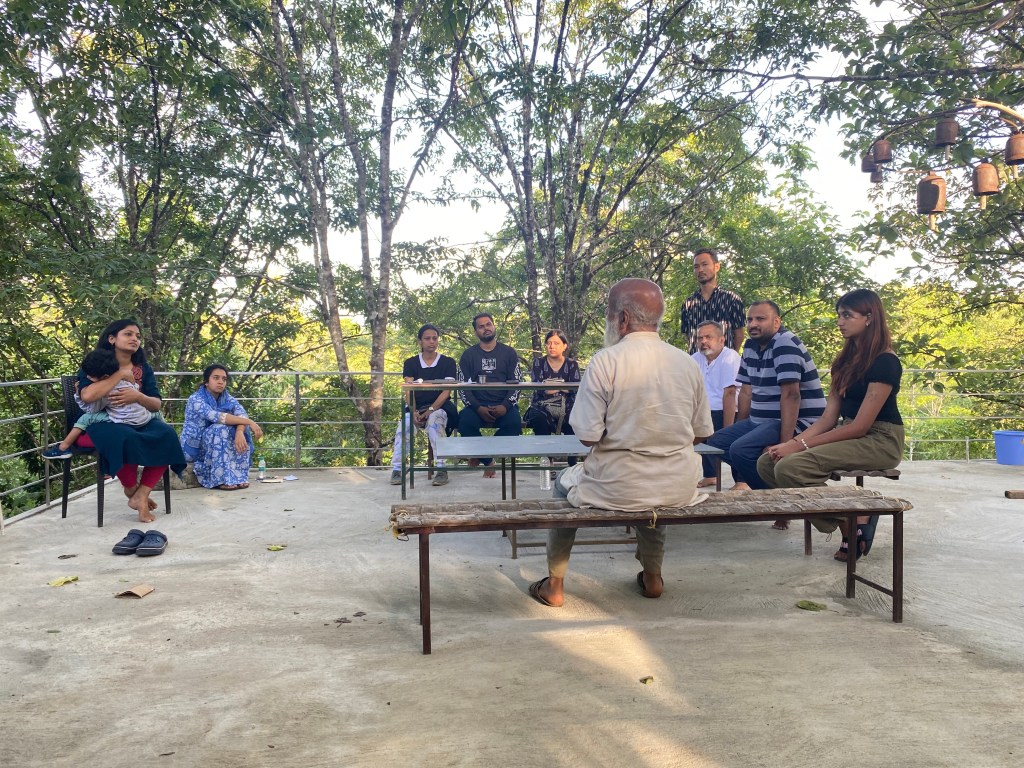
SARA(Sustainable Alternative for Rural Accord) Centre is a community-led platform that brings together various stakeholders, including visual artists, theatre activists, environmentalists, farmers, students, and teachers. It is located in the ecologically sensitive Western Ghats region and serves as a hub for converging ideas and understanding the local ecological system.
With a firm belief in the transformative power of visual arts, we empower youth to assume leadership roles, fostering impactful projects and compelling narratives that resonate deeply within the community. Through initiatives such as the Akshata rice seed bank, food forest cultivation, lake rejuvenation, and the Sahyadri Samvada exhibition, we promote collective ownership of our environment, inspiring engagement in environmental conservation and sustainable living practices. Projects like Roots-Natural, Manmade Heritage and Sahyadri Samvada aim to educate and empower the younger generation to appreciate their environment and undertake resilient actions amidst evolving landscapes.”
For more details about SARA, visit http://www.saracentre.org
 SARA CENTRE