
AKSHATA Participatory Rice Seed Conservation Initiative ಅಕ್ಷತಾ ಸಾಮುದಾಯಿಕ ಬೀಜ ಸಂರಕ್ಷಣಾ ಸಹಭಾಗಿ ಯೋಜನೆ
By SARA – Sustainable Alternatives for Rural Accord
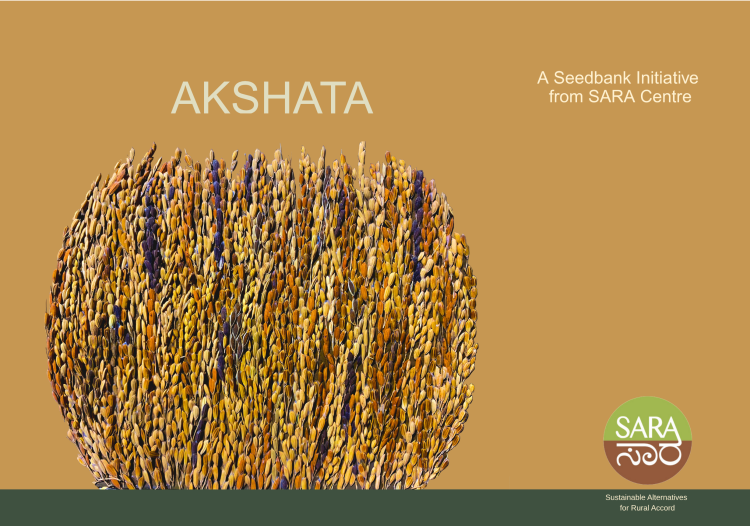
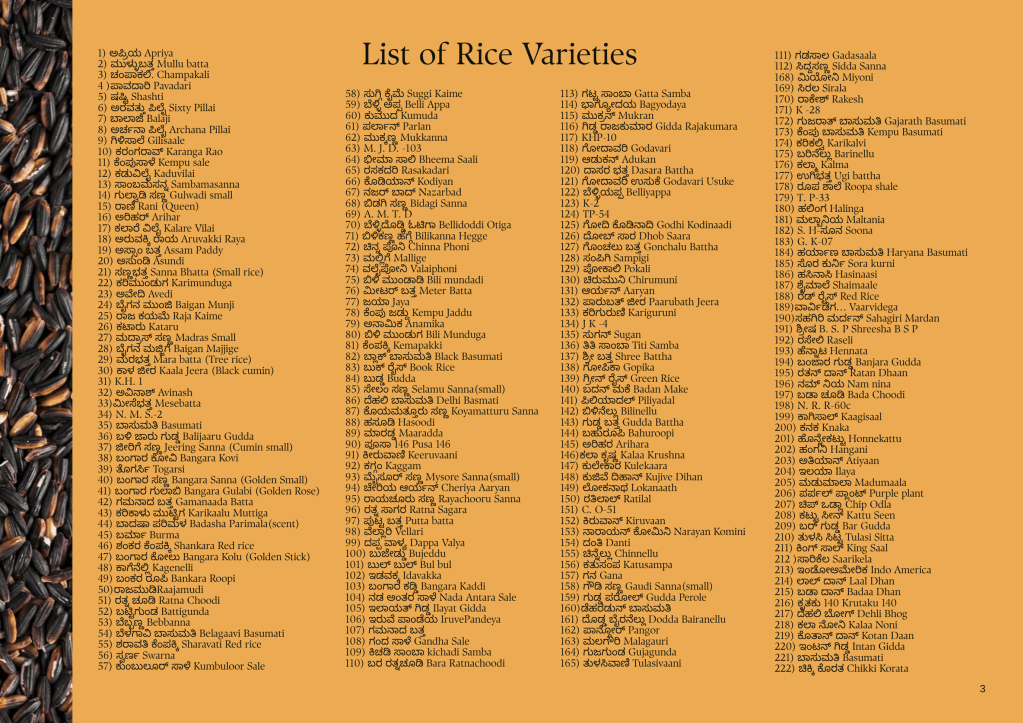
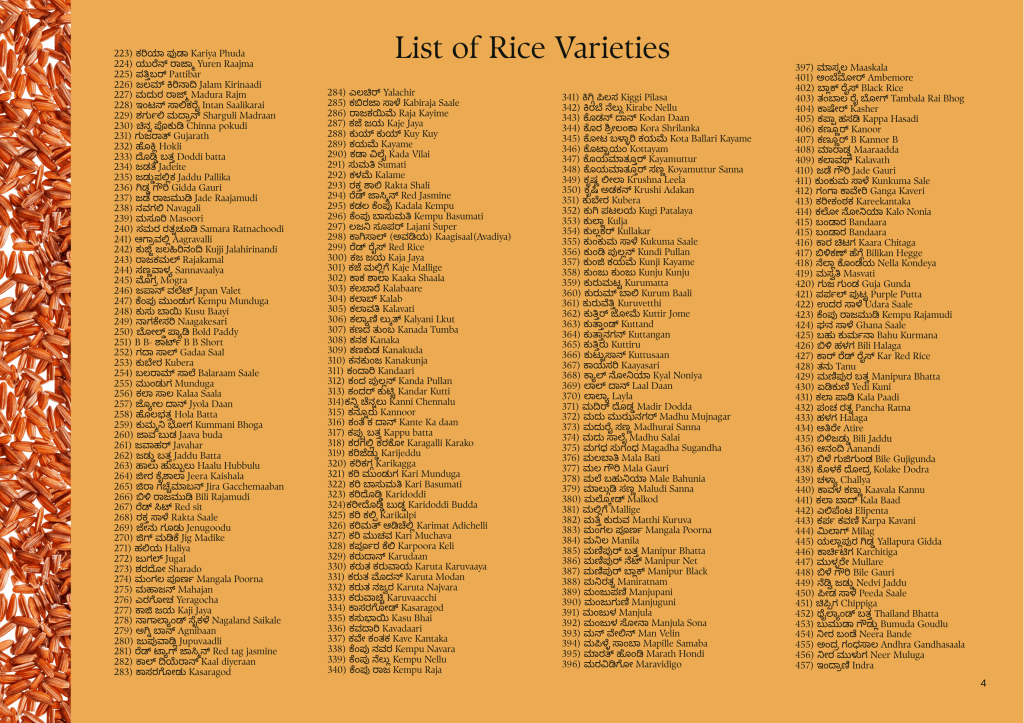
The Disappearing Diversity of Rice
ಭತ್ತದ ತಳಿ ವೈವಿಧ್ಯತೆಯ ಪುನಶ್ಚೇತನ ಕಾರ್ಯ
India has historically been one of the richest centers of rice diversity in the world. For centuries farmers cultivated thousands of rice varieties adapted to different landscapes, soils, climates, and cultural traditions.
“Prior to the green revolution in the 1960s, India was home to more than 100,000 rice varieties“-UNEP
These varieties were not simply crops. They embodied generations of agricultural knowledge, culinary traditions, nutritional diversity, and ecological adaptation. However, the agricultural transformations following the Green Revolution in the 1960s and 1970s dramatically altered this landscape. A small number of high-yield varieties were introduced. Chemical fertilizers and pesticides were used along with these varieties. Monoculture farming practices were also adopted. These changes gradually replaced many traditional rice varieties across the country. Within a few decades, an enormous diversity of indigenous rice varieties disappeared from cultivation. Today, only a small fraction of these varieties remains actively grown in farmers’ fields.
With every disappearing seed we lose: • biodiversity
• nutritional diversity
• climate resilience
• cultural memory
• farmers’ freedom to choose and cultivate diverse seeds
ಶತಮಾನಗಳಿಂದ ಭಾರತದೆಲ್ಲೆಡೆ ರೈತರು ಹಲವು ಭೂ ವೈವಿದ್ಯತೆಯ ಮಣ್ಣು, ಹವಾಮಾನ ಮತ್ತು ಆಹಾರ ಸಂಸ್ಕೃತಿಗಳಿಗೆ ಅನುಗುಣವಾಗಿ ರೂಪುಗೊಂಡ ಸಾವಿರಾರು ಭತ್ತದ ಜಾತಿಗಳನ್ನು ಬೆಳೆದು ಸಂರಕ್ಷಿಸಿದ್ದರು. ಸಂಯುಕ್ತ ರಾಷ್ಟ್ರಗಳ ಪರಿಸರ ಕಾರ್ಯಕ್ರಮದ (UNEP) ಪ್ರಕಾರ, 1960ರ ದಶಕದ ಹಸಿರು ಕ್ರಾಂತಿಯ ಮೊದಲು ಭಾರತದಲ್ಲಿ 1 ಲಕ್ಷಕ್ಕಿಂತ ಹೆಚ್ಚು ಭತ್ತದ ಜಾತಿಗಳನ್ನು ಬೆಳೆಯಲಾಗುತ್ತಿತ್ತು. ಆದರೆ ಹಸಿರು ಕ್ರಾಂತಿಯ ನಂತರ ಹೆಚ್ಚು ಉತ್ಪಾದನಾ ತಳಿಗಳ ಪರಿಚಯ, ರಾಸಾಯನಿಕ ಗೊಬ್ಬರ ಹಾಗೂ ಕೀಟನಾಶಕಗಳ ಬಳಕೆ ಮತ್ತು ಏಕಬೆಳೆ ಪದ್ಧತಿಗಳ ವ್ಯಾಪಕ ವಿಸ್ತರಣೆಯು ಅನೇಕ ಪರಂಪರಾಗತ ವಿಶೇಷ ಭತ್ತದ ಜಾತಿಗಳ ಕ್ರಮೇಣ ಕಣ್ಮರೆಗೆ ಕಾರಣವಾಯಿತು.
ಪ್ರತಿ ವಿಶೇಷ ತಳಿಗಳ ಬೀಜ ನಾಶವಾದಾಗ ನಾವು ಕಳೆದುಕೊಳ್ಳುವುದೇನು?
• ಜೈವ ವೈವಿಧ್ಯತೆ
• ಪೌಷ್ಟಿಕ ವೈವಿಧ್ಯತೆ
• ಹವಾಮಾನ ಸಹನಶೀಲತೆ
• ಸಾಂಸ್ಕೃತಿಕ ಸ್ಮೃತಿ
• ರೈತರ ಬೀಜ ಆಯ್ಕೆಯ ಸ್ವಾತಂತ್ರ್ಯ
Seeds Survive Through Cultivation
ಕೃಷಿಯ ಮೂಲಕ ಬೀಜಗಳ ಉಳಿವು
Seed conservation is often associated with seed banks and storage. While these efforts are important, seeds truly survive only when they are grown and renewed in living agricultural landscapes. Seeds that remain in cultivation continue to adapt to changing environments. They stay connected to farming knowledge, food traditions, and ecological systems. In this sense, the most meaningful way to conserve seeds is through cultivation, not storage alone. However, farmers today face economic uncertainty when cultivating traditional rice varieties because markets largely favour uniform commercial varieties. Without support, many farmers hesitate to grow these seeds even when they value them deeply.
ಬೀಜ ಸಂರಕ್ಷಣೆಯು ಹೆಚ್ಚಾಗಿ ಬೀಜ ನಿಧಿಗಳು ಮತ್ತು ಸಂಗ್ರಹಣೆಯೊಂದಿಗೆ ಸಂಬಂಧ ಹೊಂದಿದೆ. ಈ ಪ್ರಯತ್ನಗಳು ಮುಖ್ಯವಾದರೂ, ಬೀಜಗಳನ್ನು ಜೀವಂತ ಕೃಷಿ ಭೂಮಿಗಳಲ್ಲಿ ಬೆಳೆಸಿದಾಗ ಮಾತ್ರ ಅವು ತಮ್ಮ ಗುಣಗಳೊಂದಿಗೆ ಬದುಕುಳಿಯುತ್ತವೆ. ಈ ರೀತಿಯಲ್ಲಿ ಬೆಳೆದ ಬೀಜಗಳು ಬದಲಾಗುತ್ತಿರುವ ಪರಿಸರಗಳಿಗೆ ಹೊಂದಿಕೊಳ್ಳುತ್ತಲೇ ಇರುತ್ತವೆ. ಅವು ಕೃಷಿ ಜ್ಞಾನ, ಆಹಾರ ಸಂಪ್ರದಾಯಗಳು ಮತ್ತು ಪರಿಸರ ವ್ಯವಸ್ಥೆಗಳಿಗೆ ಪೂರಕವಾಗಿರುತ್ತವೆ. ಈ ಅರ್ಥದಲ್ಲಿ, ಬೀಜಗಳನ್ನು ಸಂರಕ್ಷಿಸಲು ಅತ್ಯಂತ ಅರ್ಥಪೂರ್ಣ ಮಾರ್ಗವೆಂದರೆ ಅದು ಕೃಷಿ ಮಾತ್ರ. ಆದಾಗ್ಯೂ, ಇಂದು ರೈತರು ಸಾಂಪ್ರದಾಯಿಕ ಭತ್ತದ ಪ್ರಭೇದಗಳನ್ನು ಬೆಳೆಸುವಾಗ ಆರ್ಥಿಕ ಅನಿಶ್ಚಿತತೆಯನ್ನು ಎದುರಿಸುತ್ತಾರೆ ಏಕೆಂದರೆ ಮಾರುಕಟ್ಟೆಗಳು ಹೆಚ್ಚಾಗಿ ಏಕರೂಪದ ವಾಣಿಜ್ಯ ಪ್ರಭೇದಗಳನ್ನು ಬೆಂಬಲಿಸುತ್ತವೆ.
ಬೆಂಬಲವಿಲ್ಲದ ಅನೇಕ ರೈತರು ಈ ಬೀಜಗಳ ಮೌಲ್ಯಗಳ ಅರಿವಿದ್ದರೂ ಬೆಳೆಯಲು ಹಿಂಜರಿಯುತ್ತಾರೆ.
Introducing AKSHATA
ಅಕ್ಷತಾ ಸಾಮುದಾಯಿಕ ಬೀಜನಿಧಿಯ ಪರಿಚಯ
AKSHATA is a participatory seed conservation initiative by SARA (Sustainable Alternatives for Rural Accord). The initiative aims to foster a meaningful relationship. It connects seed, soil, and farmer with the food consumer. The food consumer ultimately completes this cycle. AKSHATA creates a collaborative model. In this model, conscious citizens participate directly in conserving agricultural biodiversity. They support farmers before the sowing season.
ಅಕ್ಷತಾ ಬೀಜ ನಿಧಿಯು ಸಾರ (SARA) ಕೇಂದ್ರವು ಆರಂಭಿಸಿರುವ ಸಮುದಾಯ ಬೀಜ ಸಂರಕ್ಷಣಾ ಯೋಜನೆಯಾಗಿದೆ. ಈ ಯೋಜನೆಯು ರೈತರು ಮತ್ತು ಜಾಗೃತ ನಾಗರಿಕರನ್ನು ನೇರ ಸಂಪರ್ಕಿಸಿ ಪರಂಪರಾಗತ ಬತ್ತದ ಜಾತಿಗಳನ್ನು ಪುನಶ್ಚೇತನಗೊಳಿಸುವ ಪ್ರಯತ್ನವಾಗಿದೆ. ಬೀಜ, ಮಣ್ಣು, ರೈತ ಮತ್ತು ಆಹಾರ ಗ್ರಾಹಕರ ನಡುವಿನ ಜೀವಂತ ಸಂಬಂಧವನ್ನು ಪುನಃ ಸ್ಥಾಪಿಸುವುದು ಇದರ ಉದ್ದೇಶ. ಬೀಜಗಳ ಉಳಿವಿಗೆ ಅವು ರೈತರ ಹೊಲಗಳಲ್ಲಿ ನಿರಂತರವಾಗಿ ಬೆಳೆಯುತ್ತಿರಬೇಕು.
How the Initiative Works
ಈ ಯೋಜನೆಯ ಕಾರ್ಯ ವಿಧಾನಗಳು
Seed Conservation Partners
• Concerned citizens and conscious food consumers are invited to become Seed Conservation Partners.
• Participants contribute a minimum of ₹3000 or more, helping farmers cultivate traditional rice varieties that otherwise face uncertain markets.
• This support reaches farmers before sowing, encouraging them to grow rare rice varieties with confidence.
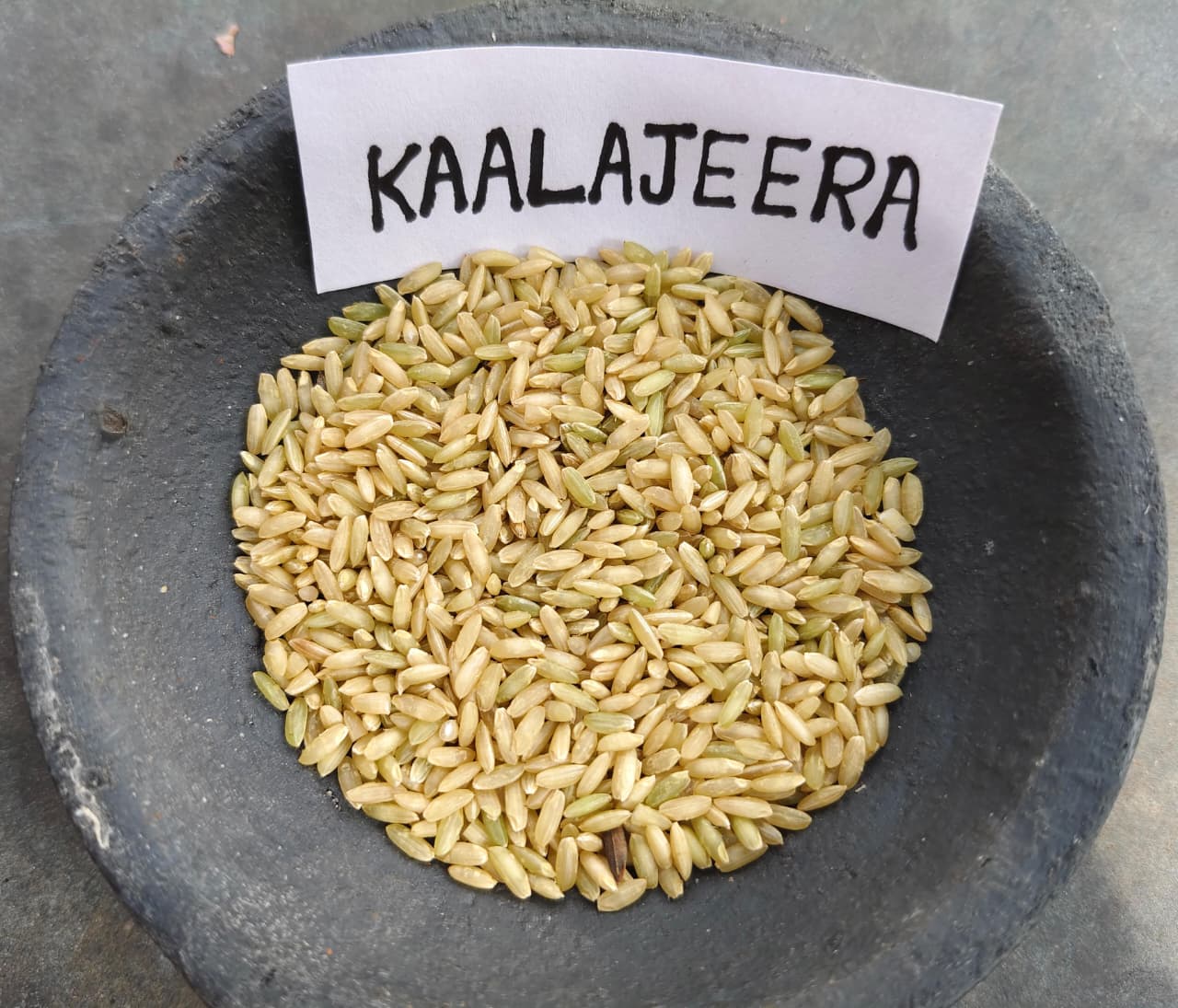
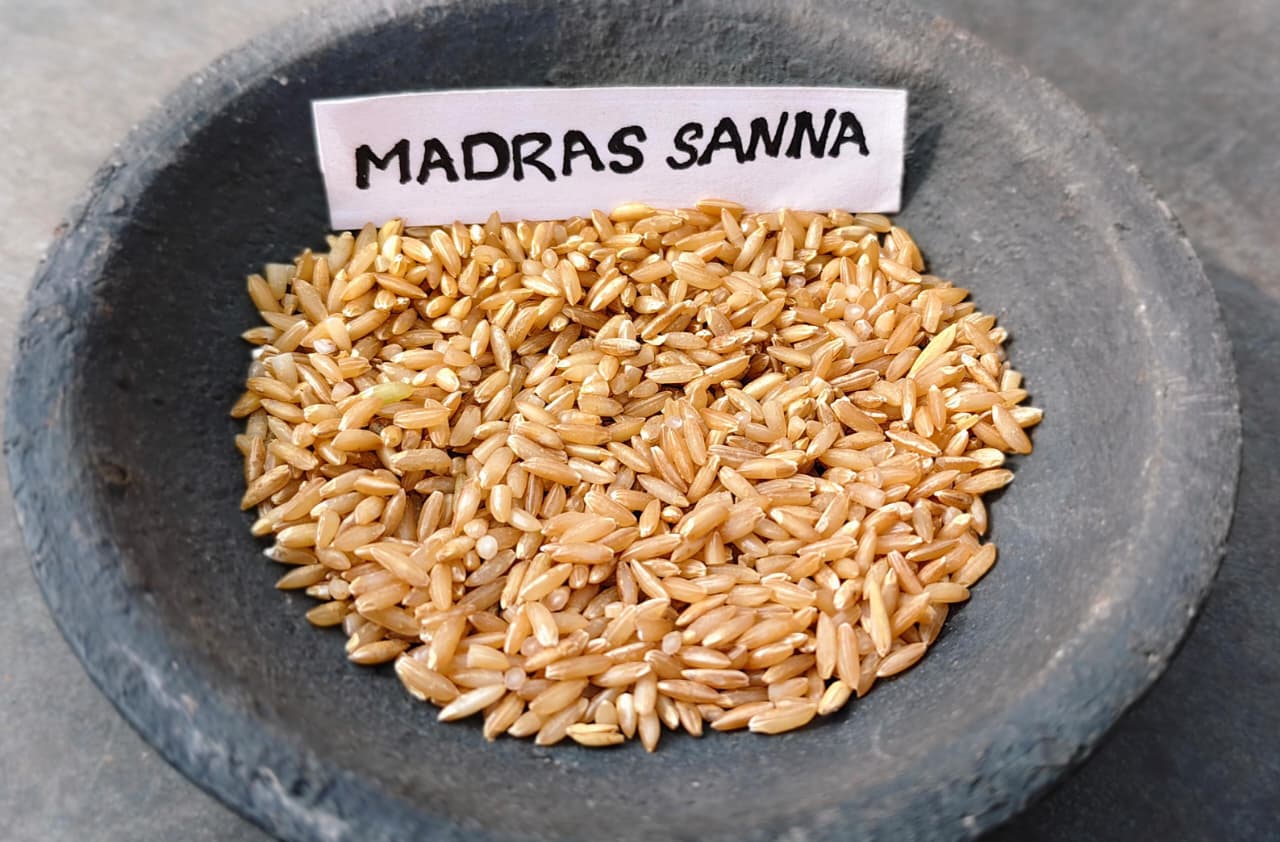
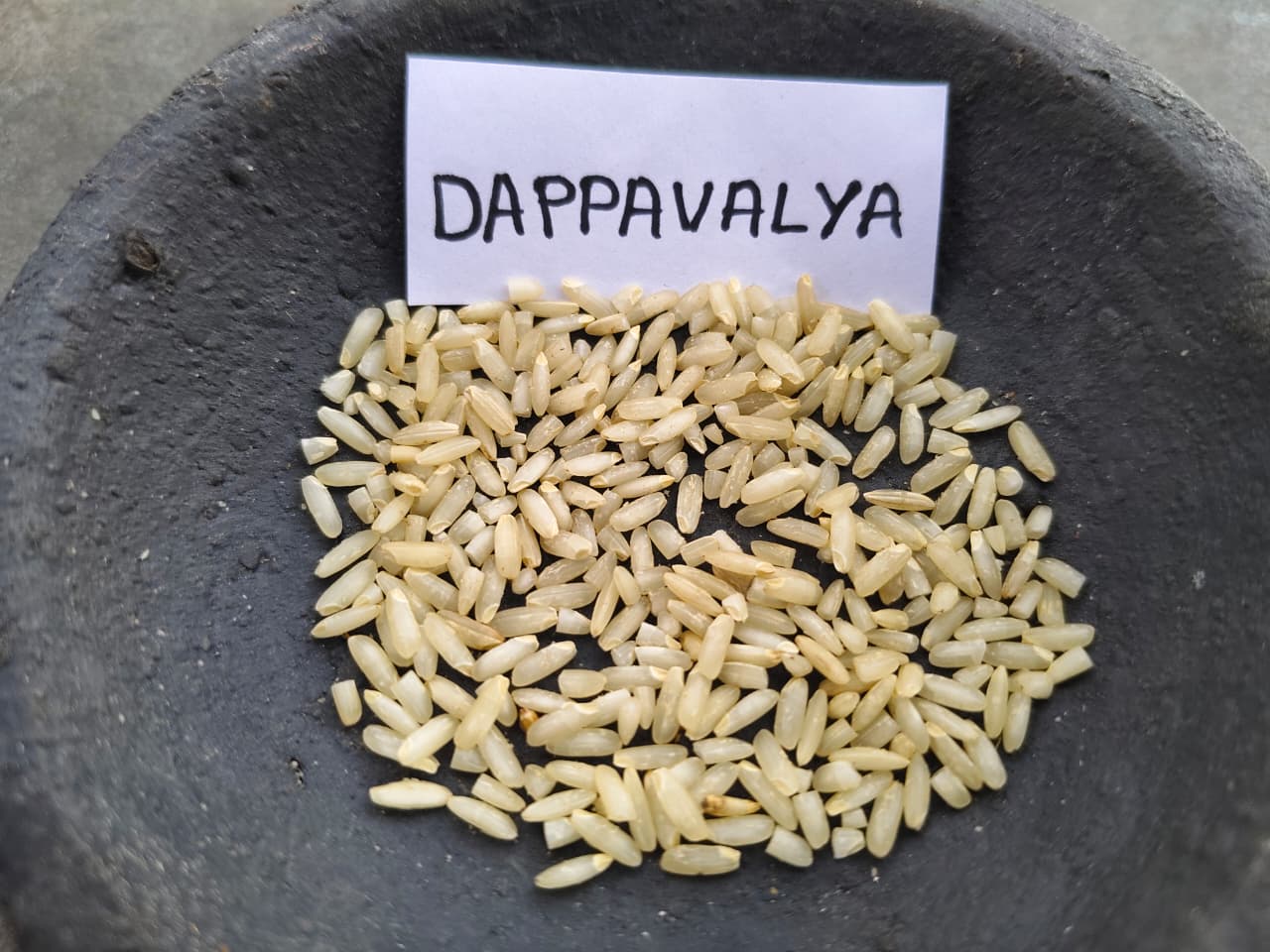
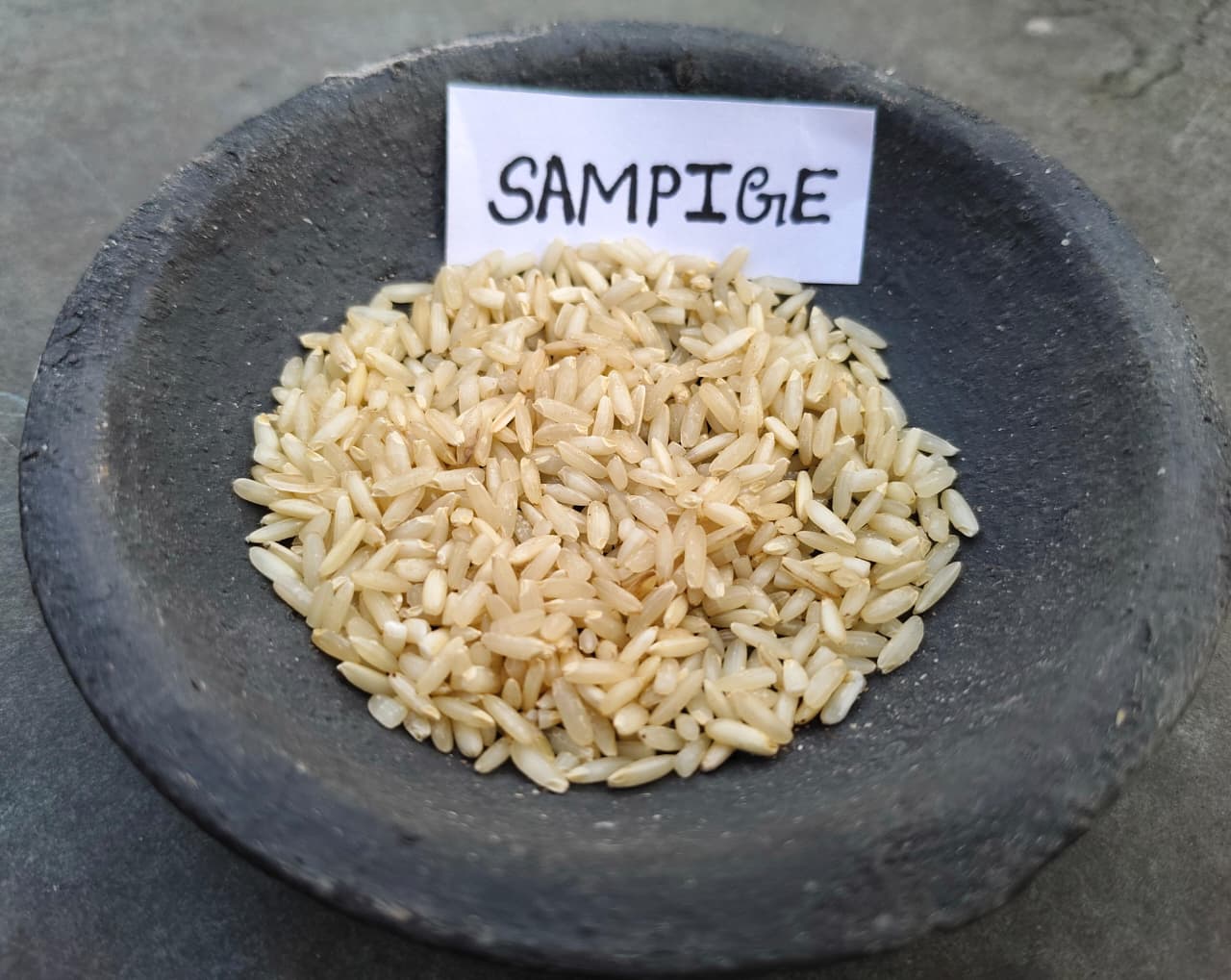
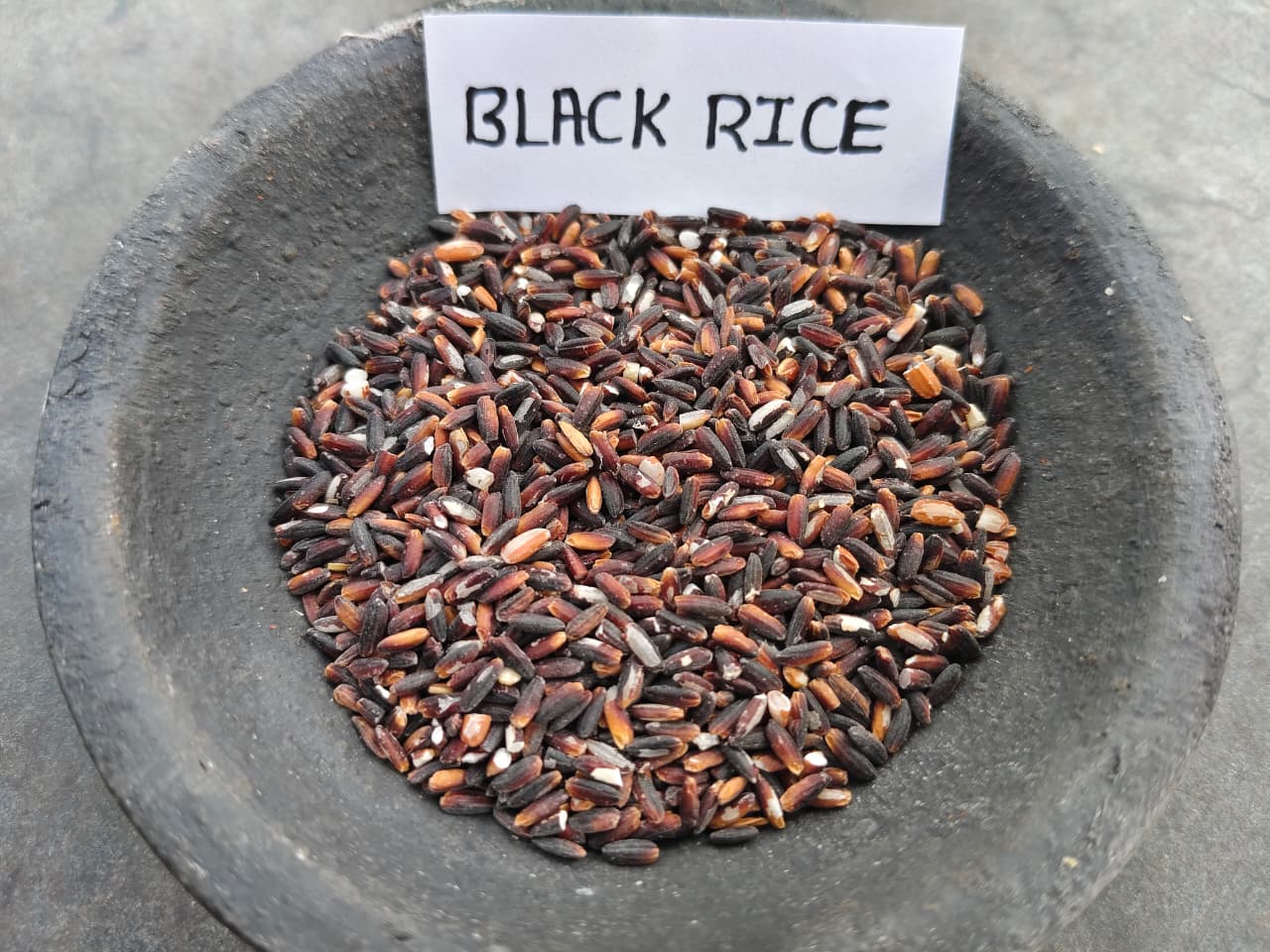
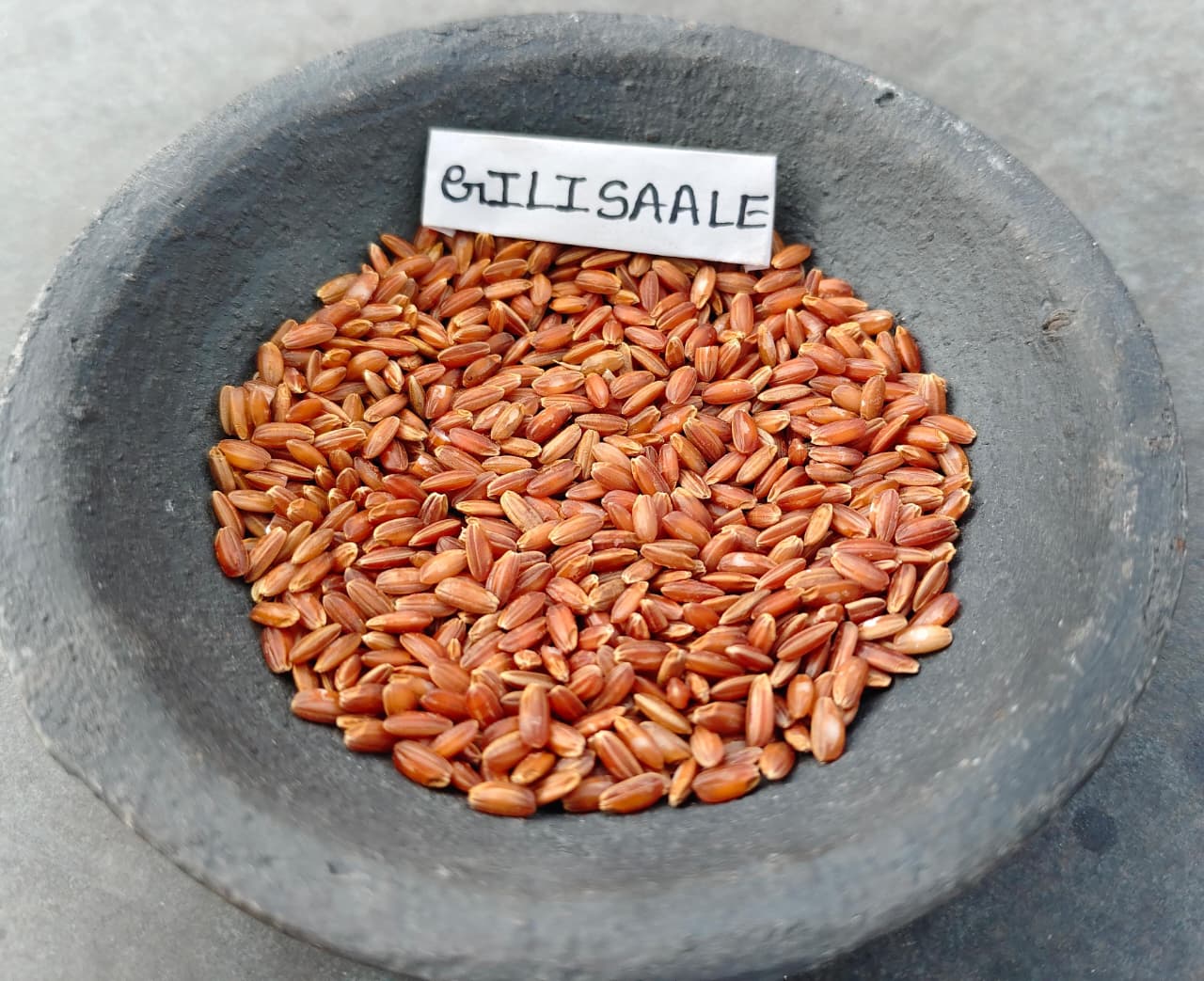
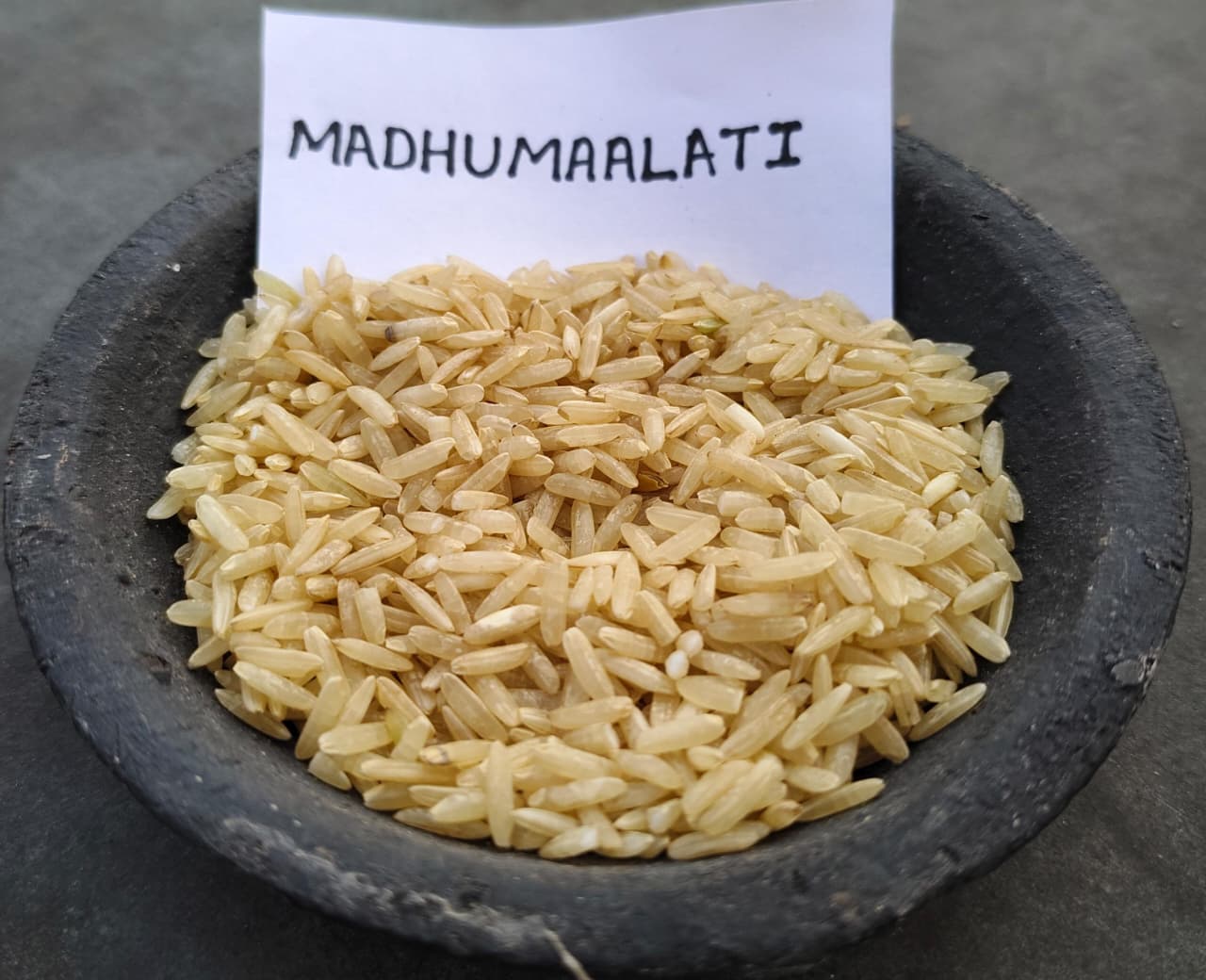
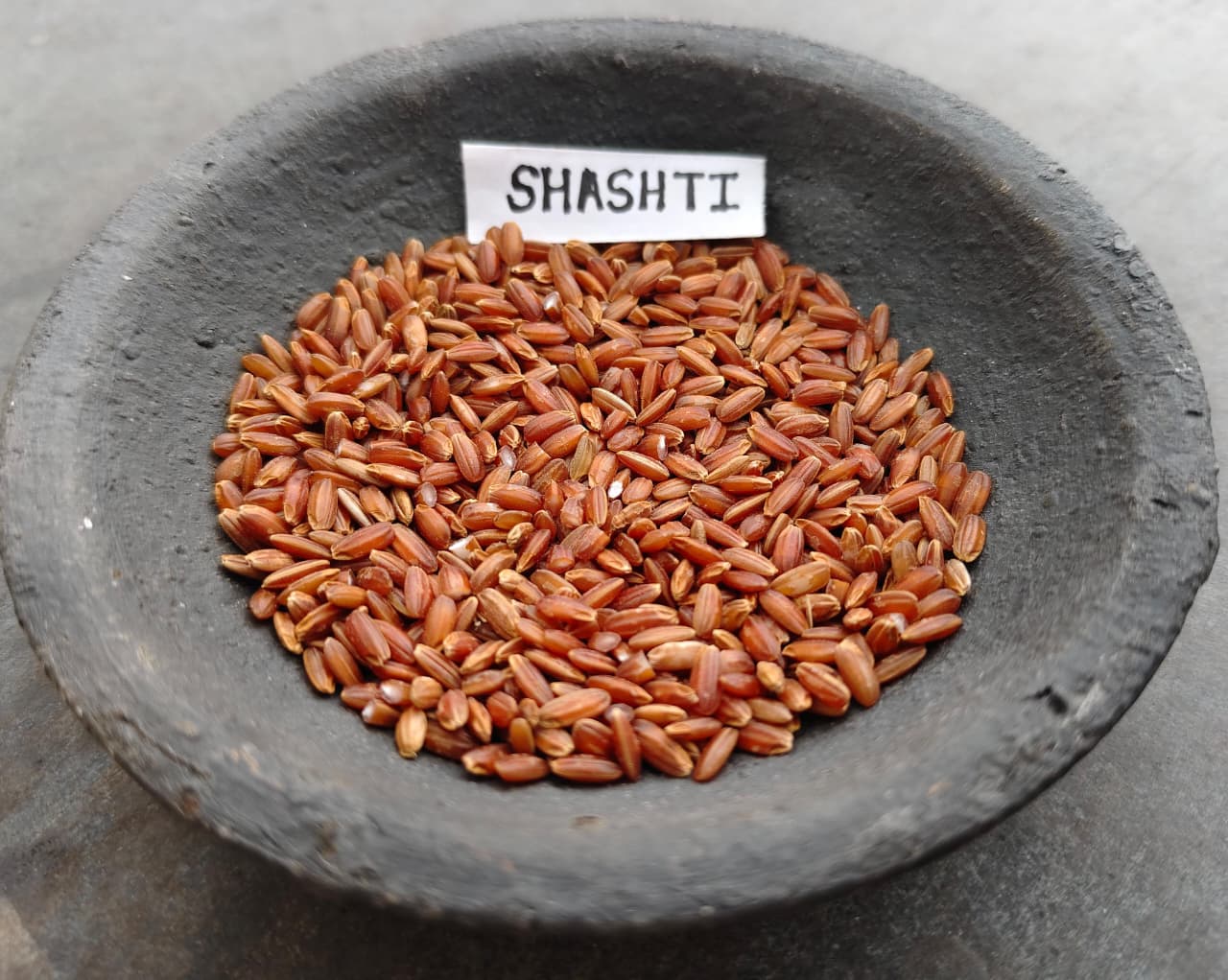
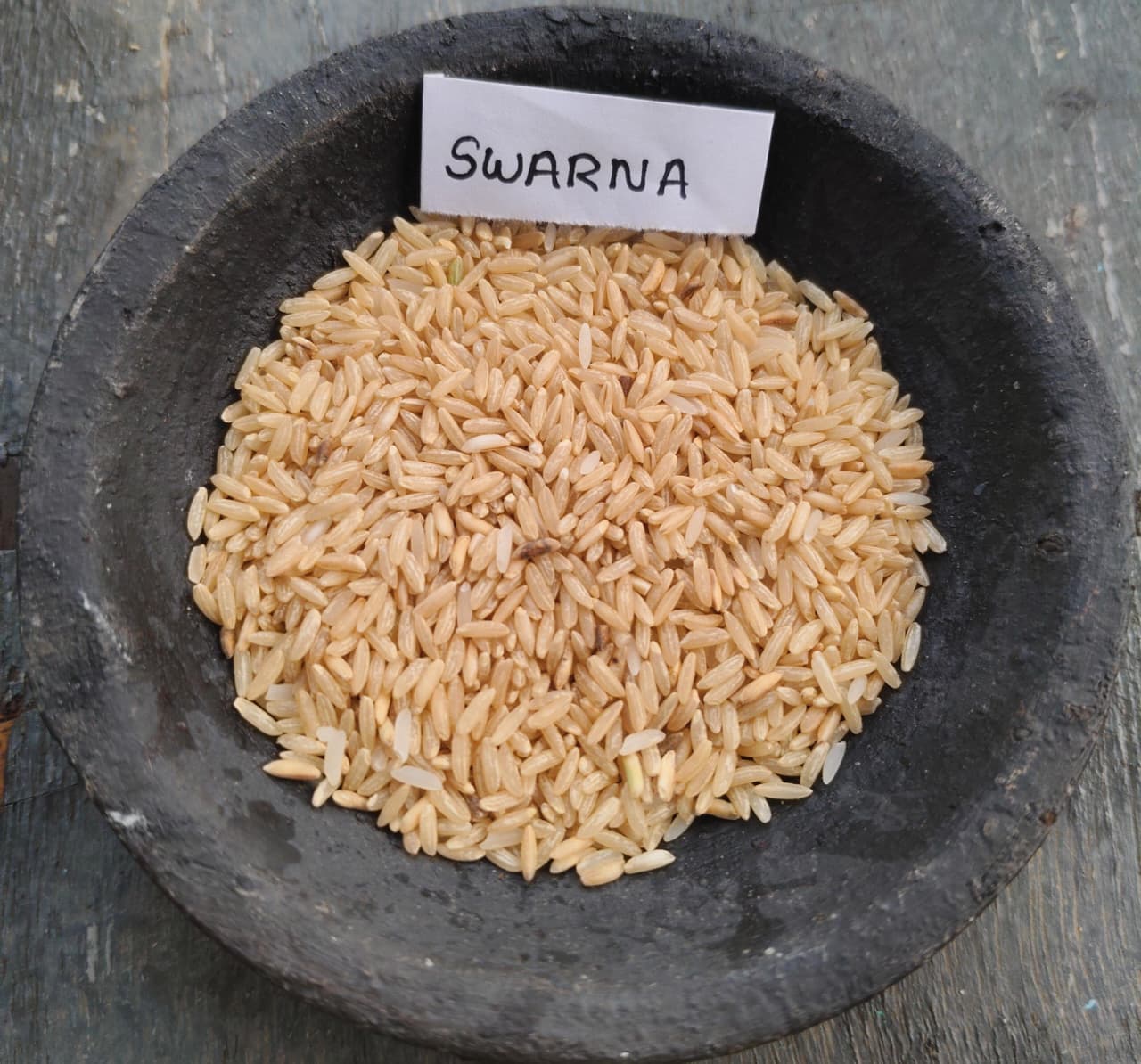
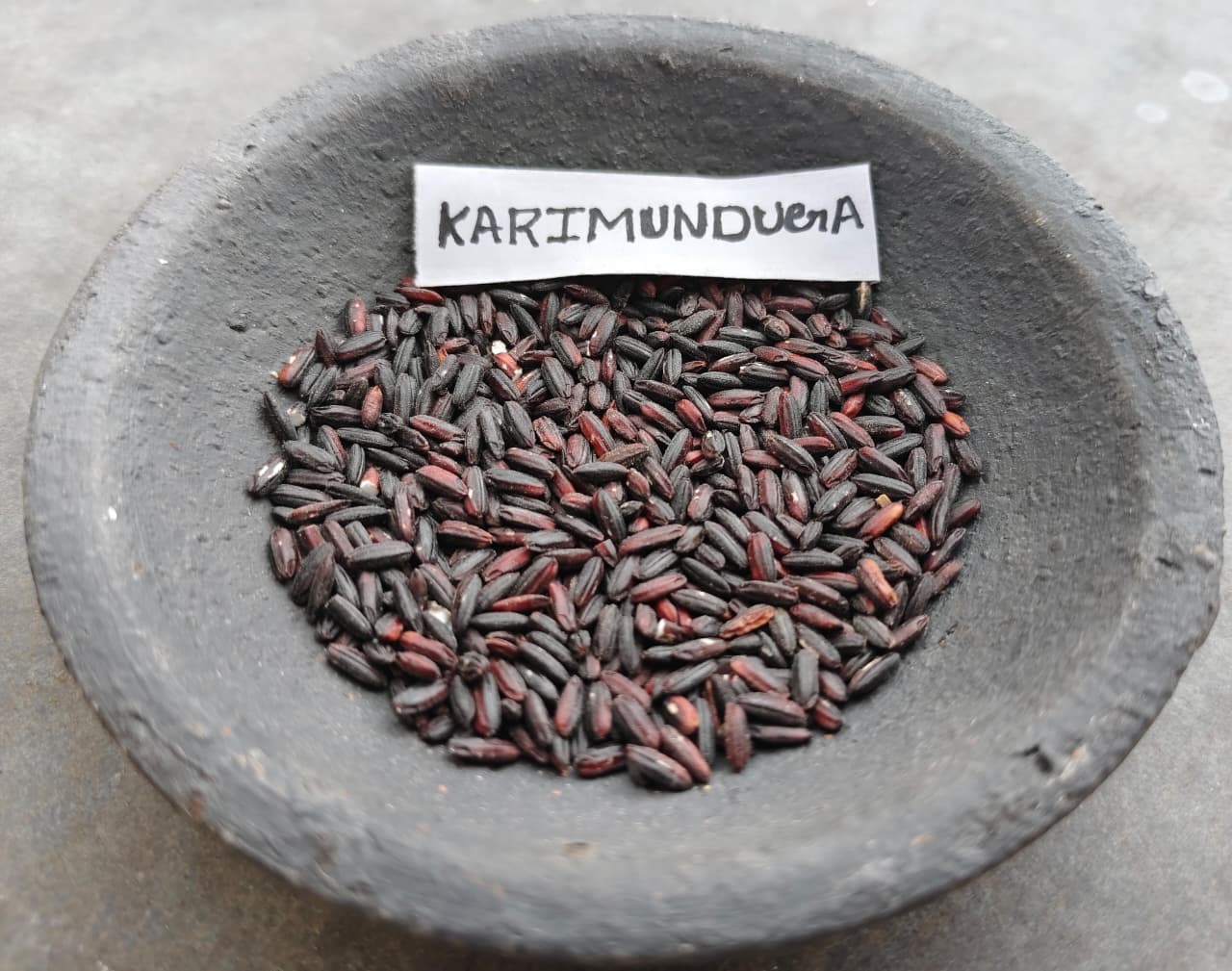
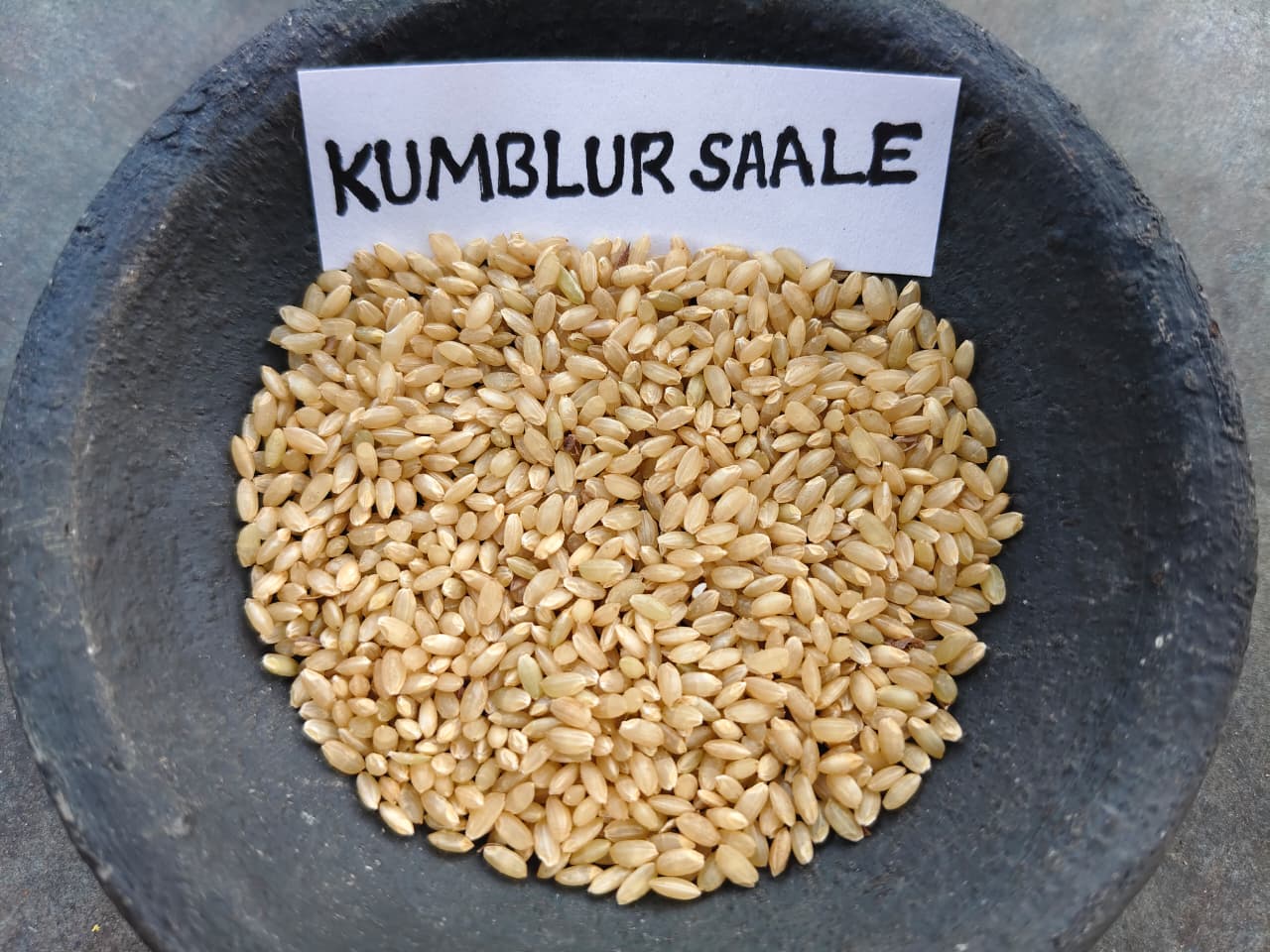
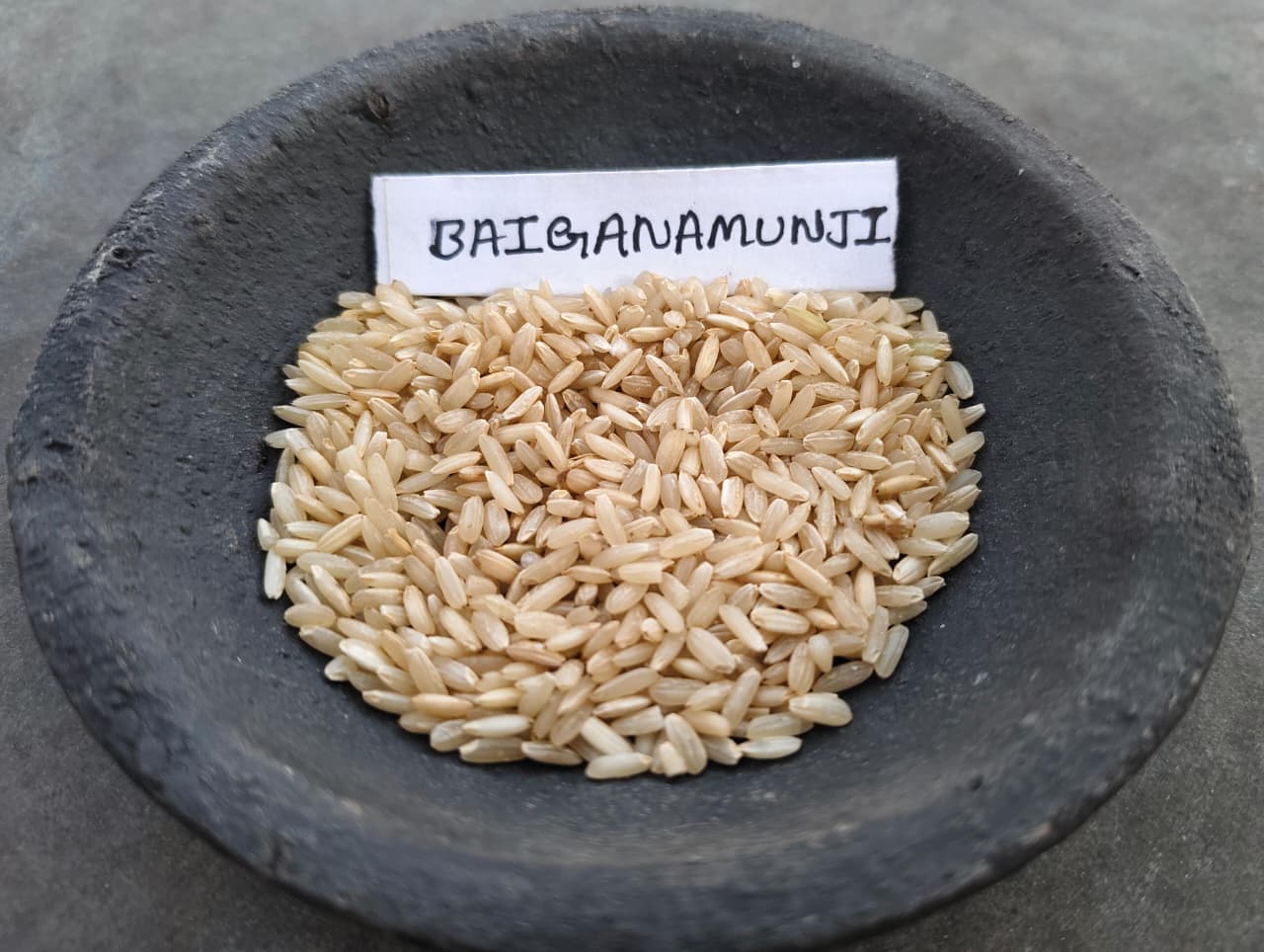
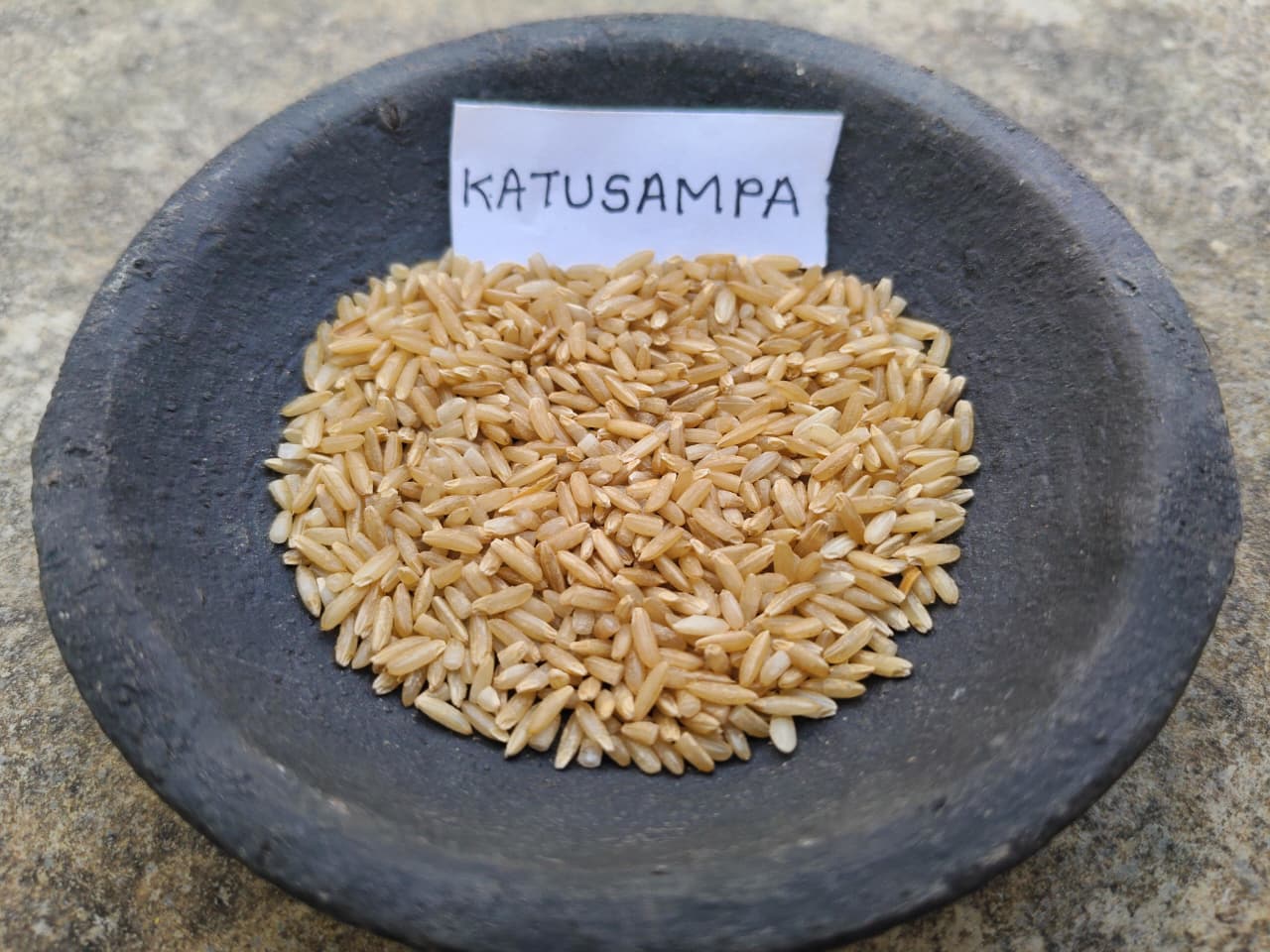
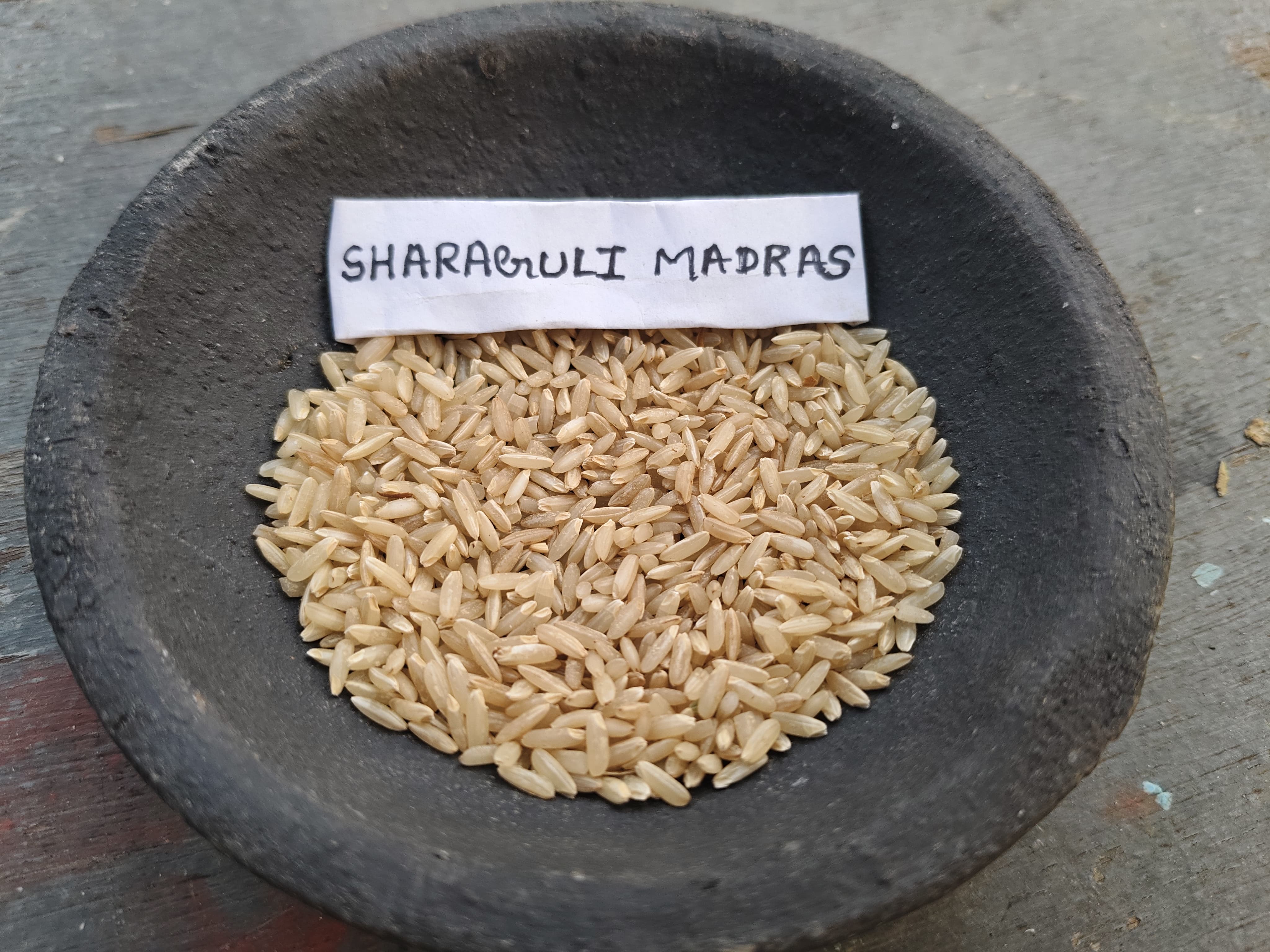
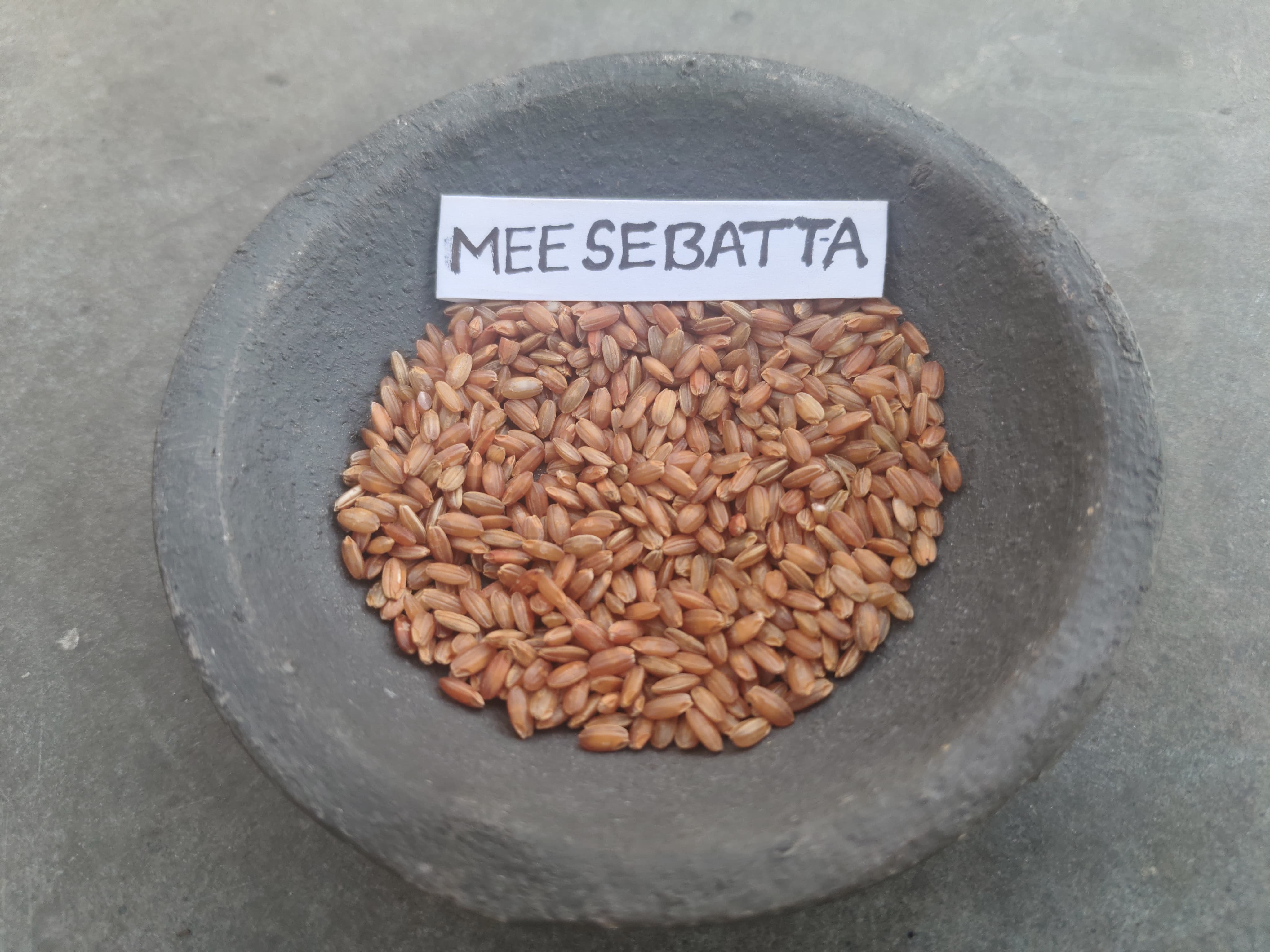
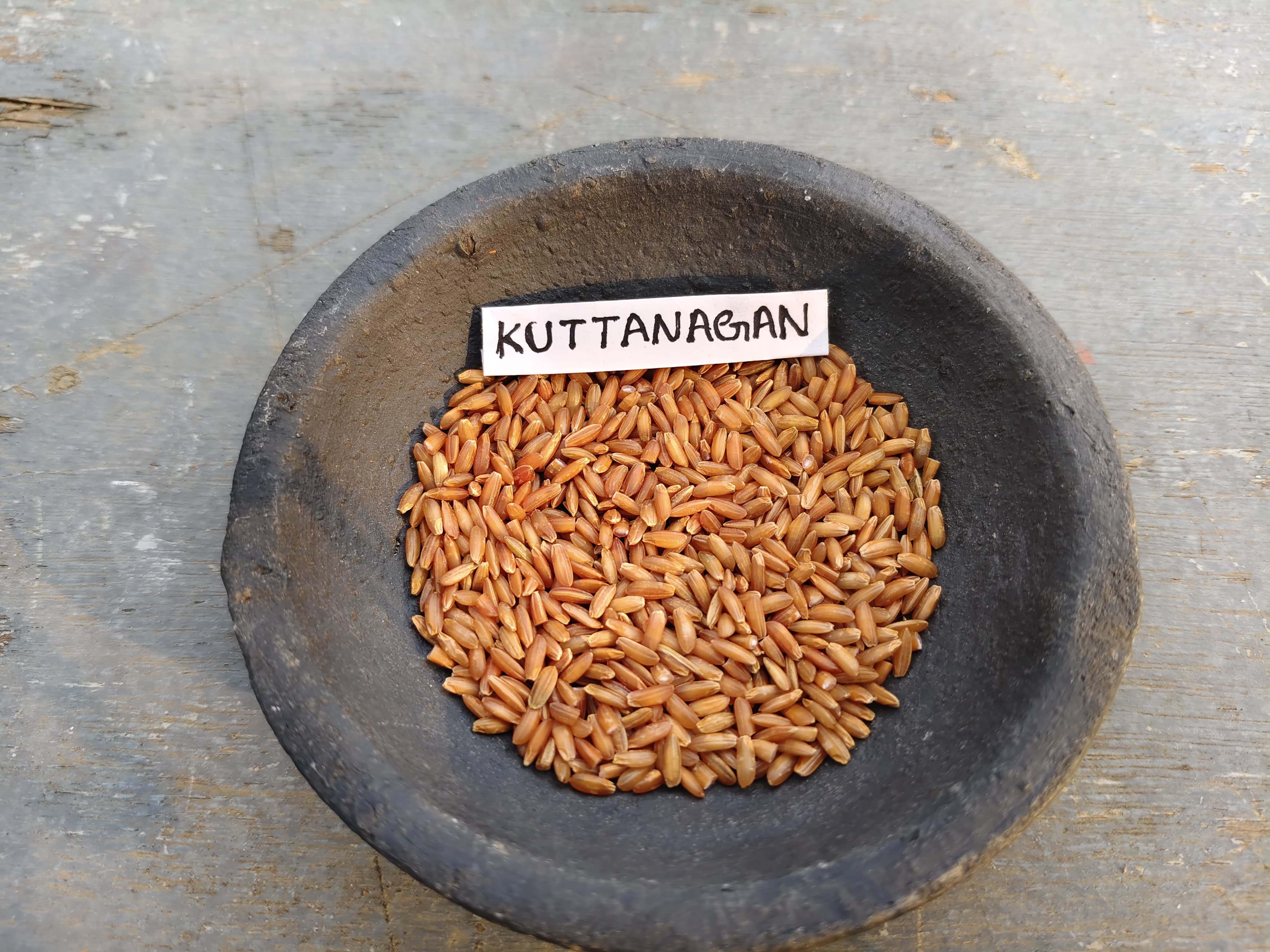
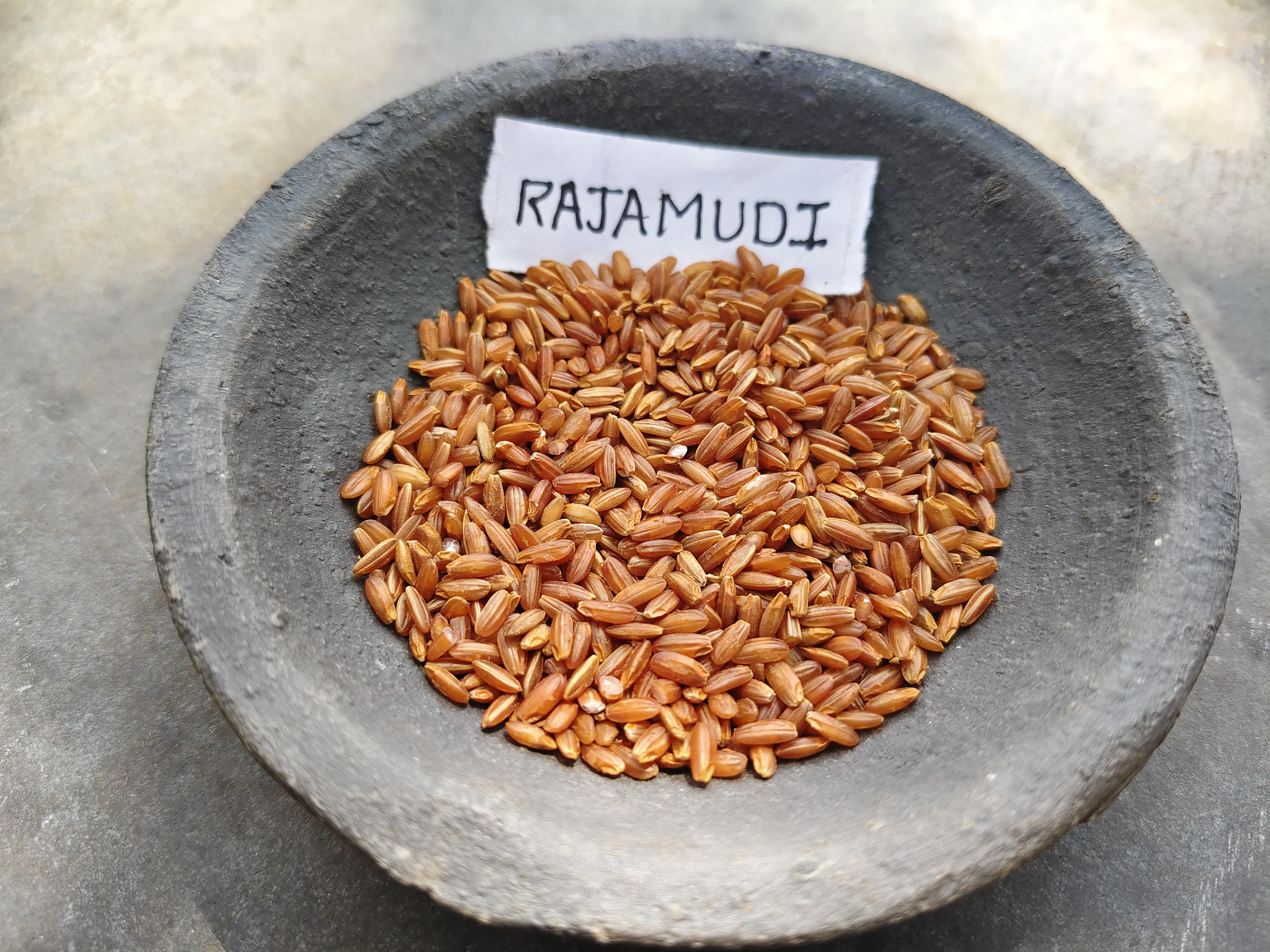
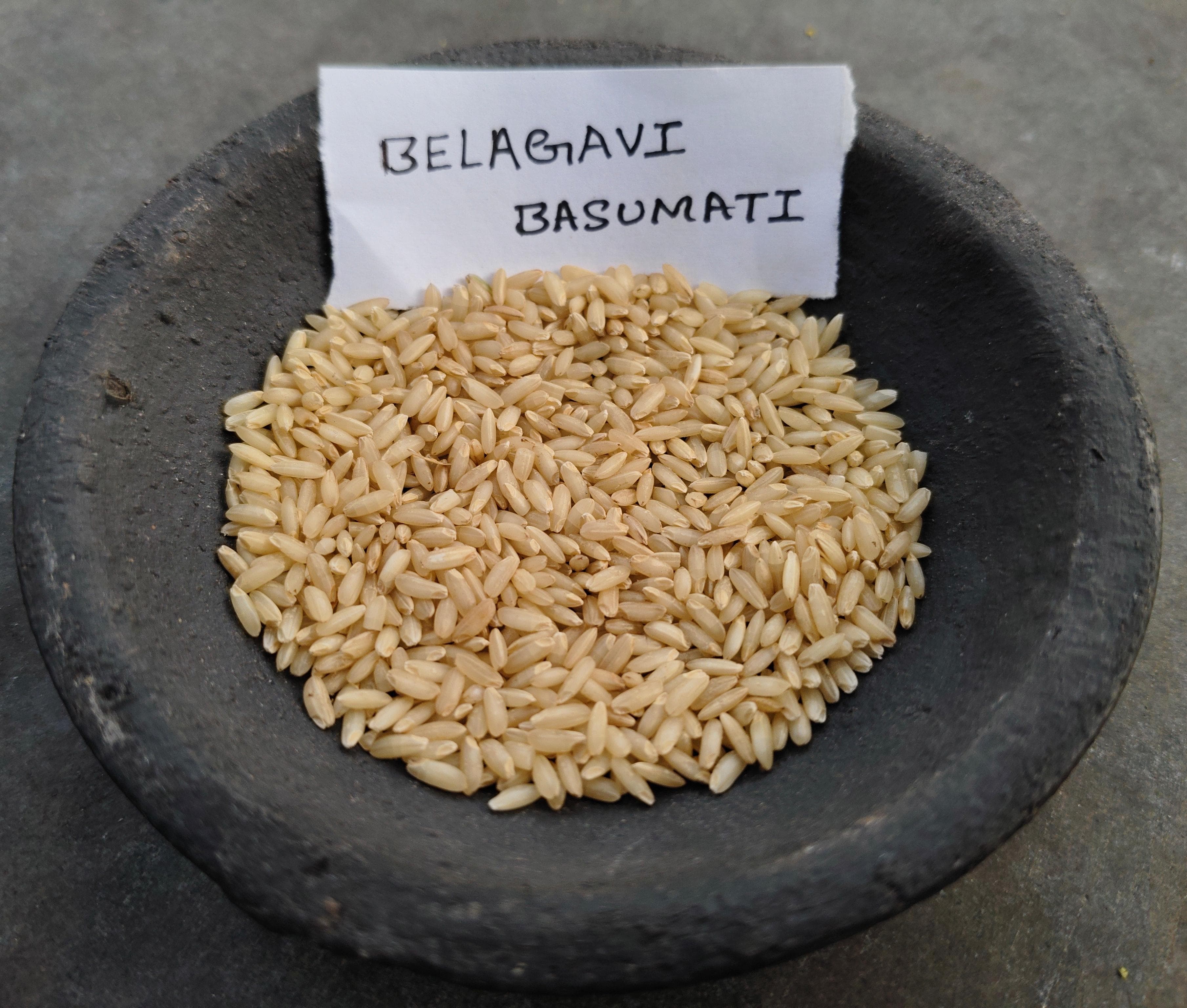
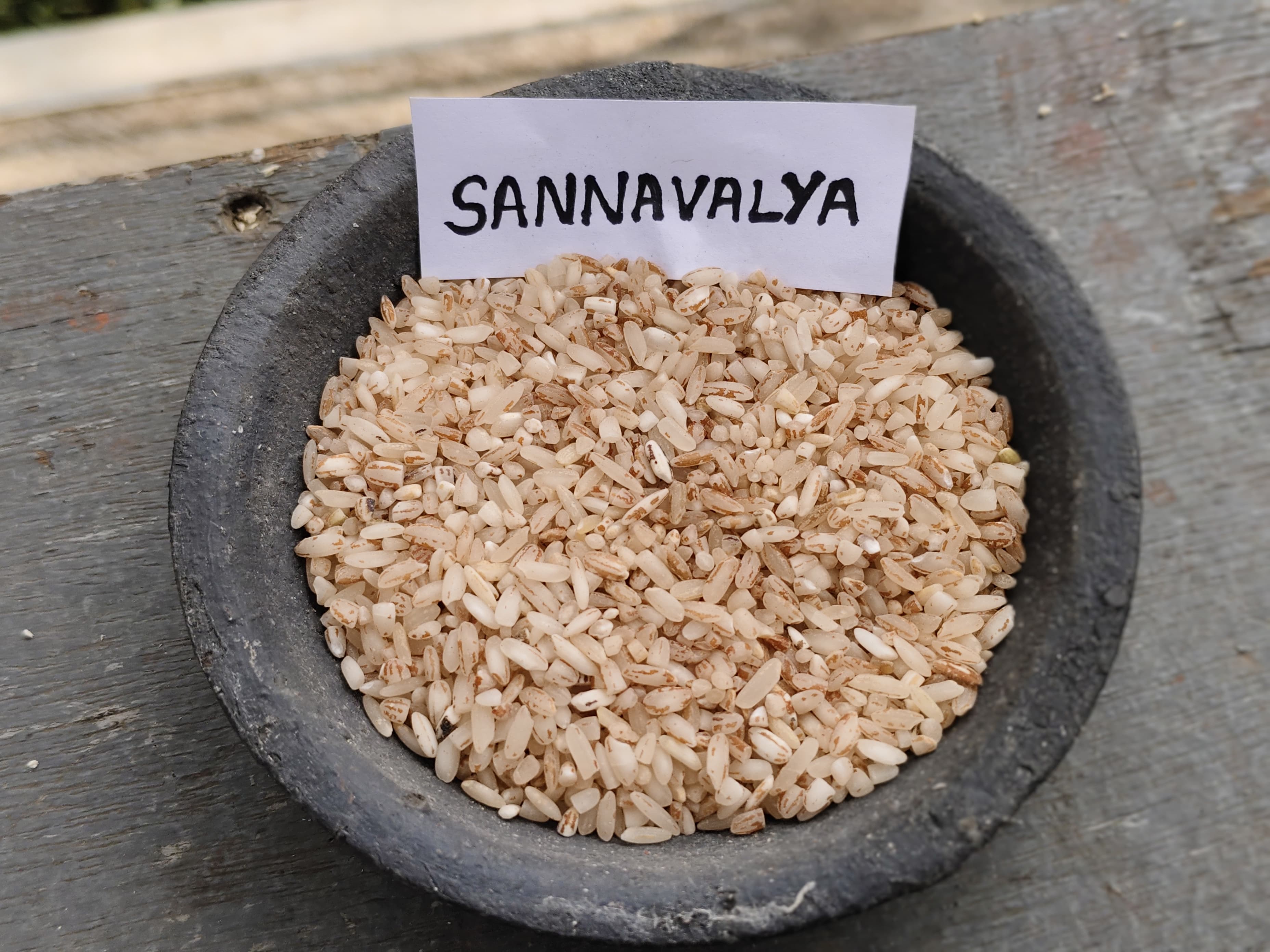
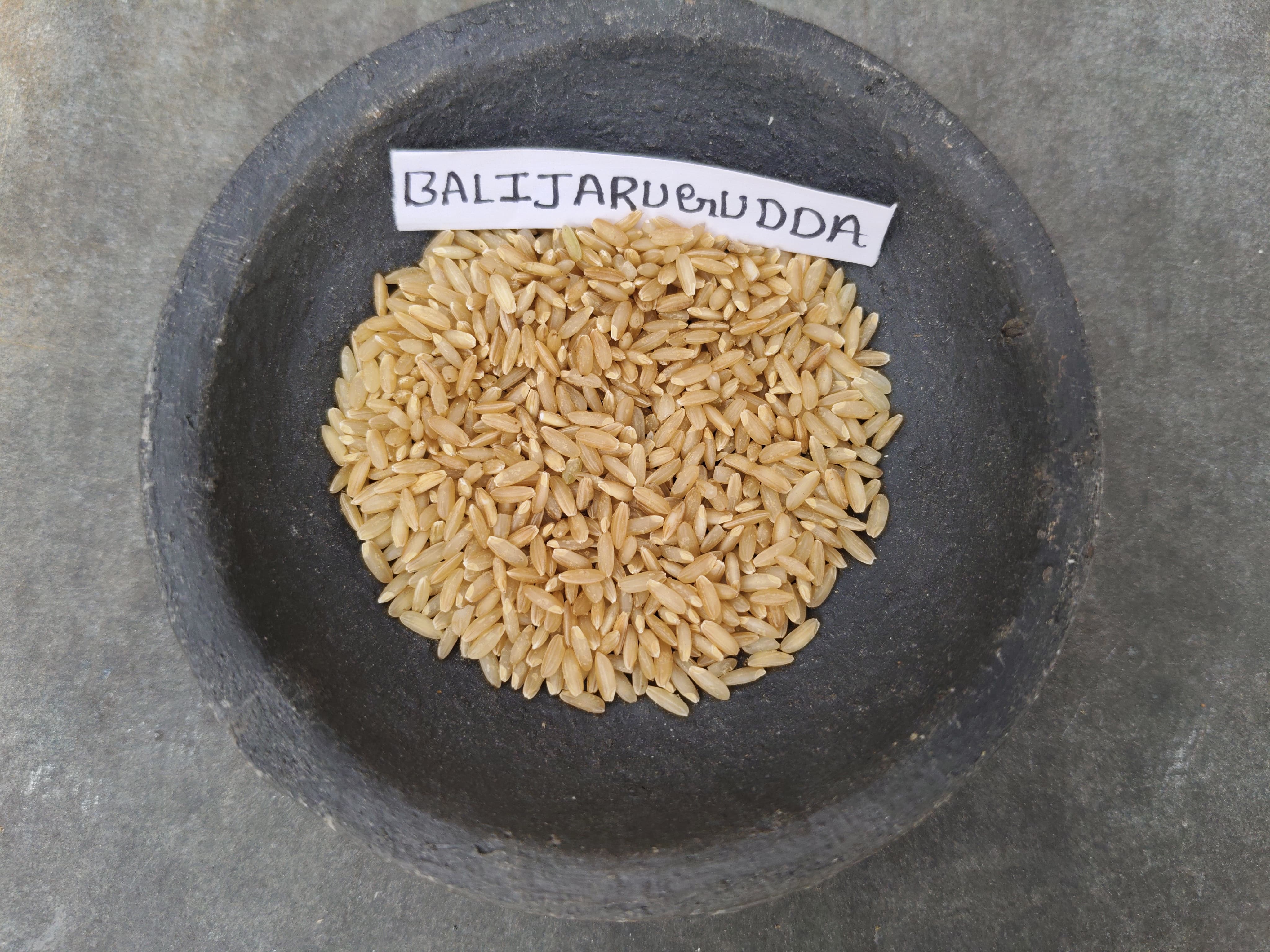
• Conservation partners will receive a curated bouquet of traditional rice varieties as a gesture of gratitude. They can also request more quantity of particular rice for a price.
• This offers an opportunity to experience the diversity of grains, aromas, and flavors. These grains once nourished our food culture
• ನಾಗರಿಕರು ಬೀಜ ಸಂರಕ್ಷಣಾ ಸಹಭಾಗಿಯಾಗಿ ಕನಿಷ್ಠ ₹3000 ಅಥವಾ ಹೆಚ್ಚು ಕೊಡುಗೆ ನೀಡಬಹುದು.
• ಈ ಬೆಂಬಲವು ಬಿತ್ತನೆಯ ಮೊದಲು ರೈತರಿಗೆ ಭರವಸೆ ನೀಡುವುದಲ್ಲದೆ ಅವರು ಪರಂಪರಾಗತ ಅಕ್ಕಿ ಜಾತಿಗಳನ್ನು ಬೆಳೆಯಲು ಉತ್ತೇಜಿಸುವುದು.
• ಪ್ರಾರಂಭಿಕ ಹಂತದಲ್ಲಿ 20 ರೈತರು ಸುಮಾರು 20 ವಿಶೇಷ ಭತ್ತದ ಜಾತಿಗಳನ್ನು ಸಾವಯವ ಮತ್ತು ಪರಿಸರ ಸ್ನೇಹಿ ಕೃಷಿ ವಿಧಾನಗಳಲ್ಲಿ ಬೆಳೆಸಲಿದ್ದಾರೆ.
• ರೈತರಿಗೆ ಬೆಂಬಲ ನೀಡಲು, ಈ ಯೋಜನೆಯಡಿಯಲ್ಲಿ ಬೆಳೆದ ಅಕ್ಕಿಯನ್ನು ಸಾರ ಕೇಂದ್ರವು ಪ್ರಚಲಿತ ಮಾರುಕಟ್ಟೆ ಬೆಲೆಯಿಗಿಂತ ಸುಮಾರು ಮೂರು ಪಟ್ಟು ಹೆಚ್ಚಿನ ದರದಲ್ಲಿ ಖರೀದಿಸಲು ಸಾಧ್ಯವಾಗಬಹುದು.
• ಕೃತಜ್ಞತೆಯ ಸಂಕೇತವಾಗಿ, ಸಹಭಾಗಿಗಳಿಗೆ ವಿವಿಧ ಪರಂಪರಾಗತ ಅಕ್ಕಿ ಜಾತಿಗಳನ್ನು (ಸುಮಾರು 15-20 ತಳಿಗಳು) ನೀಡಲಾಗುವುದು. ಇದರಿಂದ ನಮ್ಮ ಸುತ್ತಲಿನ ಭತ್ತದ ತಳಿಗಳ ವೈವಿಧ್ಯತೆಯ ರುಚಿಯನ್ನು ಅನುಭವಿಸುವ ಅವಕಾಶ ಸಿಗುತ್ತದೆ.
Farmers as Custodians of Seeds
ರೈತರು ಬೀಜಗಳ ಪಾಲಕರು
To begin with, SARA has identified 20 farmers. These farmers are willing to cultivate traditional rice varieties. They will use organic and ecologically responsible farming methods. Through this initiative, SARA will procure the rice harvested by farmers at approximately three times the prevailing market price. This ensures that seed conservation also becomes economically viable for farmers. Farmers participating in the initiative are recognised as custodians of agricultural biodiversity and traditional knowledge.
ಮೊದಲನೇ ಹಂತವಾಗಿ, ಈ ಯೋಜನೆಗಾಗಿ 20 ರೈತರನ್ನು ಗುರುತಿಸಲಾಗಿದೆ. ಈ ರೈತರು ಸಾಂಪ್ರದಾಯಿಕ ಭತ್ತದ ತಳಿಗಳನ್ನು ಬೆಳೆಸಲು ಸಿದ್ಧರಿದ್ದಾರೆ. ಅವರು ಸಾವಯವ ಮತ್ತು ಪರಿಸರ ಸ್ನೇಹಿ ಕೃಷಿ ವಿಧಾನಗಳನ್ನು ಬಳಸುತ್ತಾರೆ. ಈ ಉಪಕ್ರಮದ ಮೂಲಕ, ಸಾರ ಕೇಂದ್ರವು ರೈತರು ಕೊಯ್ಲು ಮಾಡಿದ ಭತ್ತವನ್ನು ಚಾಲ್ತಿಯಲ್ಲಿರುವ ಮಾರುಕಟ್ಟೆ ಬೆಲೆಗಿಂತ ಸುಮಾರು ಮೂರು ಪಟ್ಟು ಹೆಚ್ಚು ದರ ನೀಡಿ ಖರೀದಿಸಲು ನಿರ್ಧರಿಸಿದೆ. ಈ ಪ್ರಕ್ರಿಯೆಯು ರೈತರಿಗೆ ಆರ್ಥಿಕವಾಗಿ ಲಾಭದಾಯಕವಾಗುವುದನ್ನು ಖಚಿತಪಡಿಸುತ್ತದೆ. ಈ ಉಪಕ್ರಮದಲ್ಲಿ ಭಾಗವಹಿಸುವ ರೈತರನ್ನು ಕೃಷಿ ಜೀವವೈವಿಧ್ಯ ಮತ್ತು ಸಾಂಪ್ರದಾಯಿಕ ಜ್ಞಾನದ ಪಾಲಕರು ಎಂದು ಗುರುತಿಸಲಾಗುವುದು.
Promoting Sustainable Farming
ಸುಸ್ಥಿರ ಕೃಷಿಯನ್ನು ಬೆಂಬಲಿಸುವುದು
AKSHATA not only focuses on conserving seeds but also promotes sustainable and organic farming practices. The initiative supports farmers who grow traditional rice varieties using ecological methods. This strengthens the relationship between seed diversity and soil health. It also enhances sustainable agriculture.
ಅಕ್ಷತಾ ಬೀಜನಿಧಿ ಯೋಜನೆಯು ಬೀಜಗಳನ್ನು ಸಂರಕ್ಷಿಸುವುದರ ಮೇಲೆ ಕೇಂದ್ರೀಕರಿಸುವುದಲ್ಲದೆ, ಸುಸ್ಥಿರ ಮತ್ತು ಸಾವಯವ ಕೃಷಿ ಪದ್ಧತಿಗಳನ್ನು ಪ್ರೋತ್ಸಾಹಿಸುವುದು. ಈ ಉಪಕ್ರಮವು ಪರಿಸರ ಸ್ನೇಹಿ ವಿಧಾನಗಳನ್ನು ಬಳಸಿಕೊಂಡು ಸಾಂಪ್ರದಾಯಿಕ ಭತ್ತದ ತಳಿಗಳನ್ನು ಬೆಳೆಯುವ ರೈತರನ್ನು ಬೆಂಬಲಿಸುತ್ತದೆ. ಇದು ಬೀಜ ವೈವಿಧ್ಯತೆ ಮತ್ತು ಮಣ್ಣಿನ ಆರೋಗ್ಯದ ನಡುವಿನ ಸಂಬಂಧವನ್ನು ಬಲಪಡಿಸುತ್ತದೆ.
Role of SARA
ಸಾರ ಕೇಂದ್ರದ ಪಾತ್ರ
SARA acts as a facilitator and bridge between farmers and conservation partners. Its role includes:
• identifying farmers willing to grow traditional rice varieties
• ensuring organic and ecological farming practices
• coordinating participation of Seed Conservation Partners
• procuring rice from farmers at fair and supportive prices
• documenting traditional rice varieties
• conducting laboratory testing of rice varieties to better understand their nutritional and ecological characteristics
• distributing curated sample sets of rice varieties to conservation partners
• ಸಾರ ಕೇಂದ್ರವು ರೈತರು ಹಾಗು ಸಂರಕ್ಷಣಾ ಪಾಲುದಾರರ ನಡುವೆ ಸಹಾಯಕ ಮತ್ತು ಸೇತುವೆಯಾಗಿ ಕಾರ್ಯನಿರ್ವಹಿಸುತ್ತದೆ. ಇದರ ಪಾತ್ರವು ಈ ಕೆಳಗಿನವುಗಳನ್ನು ಒಳಗೊಂಡಿದೆ:
• ಸಂರಕ್ಷಣಾ ಪಾಲುದಾರರಿಗೆ ವಿವಿಧ ಅಕ್ಕಿ ತಳಿಗಳನ್ನು ಸಂಸ್ಕರಿಸಿ ಅವರವರ ವಿಳಾಸಕ್ಕೆ ವಿತರಿಸುವುದು
•ಸಾಂಪ್ರದಾಯಿಕ ಭತ್ತದ ತಳಿಗಳನ್ನು ಬೆಳೆಯಲು ಇಚ್ಛಿಸುವ ರೈತರನ್ನು ಗುರುತಿಸುವುದು
• ಸಾವಯವ ಮತ್ತು ಪರಿಸರ ಕೃಷಿ ಪದ್ಧತಿಗಳನ್ನು ಖಚಿತಪಡಿಸಿಕೊಳ್ಳುವುದು
• ಬೀಜ ಸಂರಕ್ಷಣಾ ಪಾಲುದಾರರ ಭಾಗವಹಿಸುವಿಕೆಯನ್ನು ಬಲಪಡಿಸುವುದು
• ಸಾಂಪ್ರದಾಯಿಕ ಭತ್ತದ ಪ್ರಭೇದಗಳನ್ನು ದಾಖಲಿಸುವುದು
• ರೈತರಿಂದ ನ್ಯಾಯಯುತ ಮತ್ತು ಬೆಂಬಲ ಬೆಲೆಯಲ್ಲಿ ಅಕ್ಕಿಯನ್ನು ಖರೀದಿಸುವುದು • ಅವುಗಳ ಪೌಷ್ಟಿಕಾಂಶ ಮತ್ತು ಪರಿಸರ ಗುಣಲಕ್ಷಣಗಳನ್ನು ಚೆನ್ನಾಗಿ ಅರ್ಥಮಾಡಿಕೊಳ್ಳಲು ಭತ್ತದ ತಳಿಗಳ ಪ್ರಯೋಗಾಲಯ ಪರೀಕ್ಷೆಯನ್ನು ನಡೆಸುವುದು
Future Vision
ಮುಂದಿನ ಯೋಜನೆಗಳು
AKSHATA is envisioned as a growing participatory movement. In the coming years SARA aims to:
• increase the number of farmers cultivating traditional rice varieties
• expand the network of Seed Conservation Partners
• multiply seeds and return them back to farming communities
• document the knowledge and stories associated with rice varieties
• bring food consumers closer to farmers and the farming process
The long-term goal is to ensure that traditional rice varieties remain alive in fields, kitchens, and communities.
ಅಕ್ಷತಾ ಸಾಮುದಾಯಿಕ ಬೀಜ ನಿಧಿ ಯು ಒಂದು ಚಳುವಳಿಯ ರೂಪದಲ್ಲಿ ಬೆಳೆಯುವಂತೆ ಕಲ್ಪಿಸಲಾಗಿದೆ. ಮುಂಬರುವ ವರ್ಷಗಳಲ್ಲಿ SARA ಈ ಕೆಳಗಿನ ಗುರಿಗಳನ್ನು ಹೊಂದಿದೆ:
- ಸಾಂಪ್ರದಾಯಿಕ ಭತ್ತದ ಪ್ರಭೇದಗಳನ್ನು ಬೆಳೆಸುವ ರೈತರ ಸಂಖ್ಯೆಯನ್ನು ಹೆಚ್ಚಿಸುವುದು
- ಬೀಜ ಸಂರಕ್ಷಣಾ ಸಹಭಾಗಿಗಳ ಸಂಖ್ಯೆಯನ್ನು ಹೆಚ್ಚಿಸುವುದು
- ಬೀಜಗಳನ್ನು ಗುರುತಿಸಿ ಅವುಗಳು ಕೃಷಿ ಸಮುದಾಯಗಳಲ್ಲಿ ಉಳಿಯುವಂತೆ ಮಾಡುವುದು
- ಭತ್ತದ ಪ್ರಭೇದಗಳಿಗೆ ಸಂಬಂಧಿಸಿದ ಜ್ಞಾನ ವಿವರಗಳನ್ನು ದಾಖಲಿಸುವುದು
- ಆಹಾರ ಬಳಕೆದಾರರನ್ನು ರೈತ ಸಮುದಾಯ ಮತ್ತು ಕೃಷಿ ಪ್ರಕ್ರಿಯೆಗೆ ಹತ್ತಿರ ತರುವುದು
ಸಾಂಪ್ರದಾಯಿಕ ಭತ್ತದ ತಳಿಗಳು ಕೃಷಿಭೂಮಿ, ಅಡುಗೆಮನೆಗಳು ಮತ್ತು ಸಮುದಾಯಗಳಲ್ಲಿ ಜೀವಂತವಾಗಿರುವುದನ್ನು ಖಚಿತಪಡಿಸಿಕೊಳ್ಳುವುದು ದೀರ್ಘಕಾಲೀನ ಗುರಿಯಾಗಿದೆ.
Become a Seed Conservation Partner
ಬೀಜ ಸಂರಕ್ಷಣಾ ಸಹಭಾಗಿಗಳಾಗಿರಿ
By becoming a Seed Conservation Partner, you contribute to the revival of traditional rice varieties. You also support farmers who continue to safeguard agricultural biodiversity. Your participation helps ensure that these seeds remain a living part of our food systems.
Minimum contribution: ₹3000
Participants will receive a bouquet of traditional rice varieties as a gesture of gratitude. This also serves as recognition of their involvement in the seed conservation movement.
Together we can bring forgotten seeds back to life.
ನೀವು ಬೀಜ ಸಂರಕ್ಷಣಾ ಪಾಲುದಾರರಾಗುವುದರಿಂದ ಪರಂಪರಾಗತ ಅಕ್ಕಿ ಜಾತಿಗಳ ಪುನರುಜ್ಜೀವನಕ್ಕೆ ಬೆಂಬಲ ನೀಡುವಿರಿ ಮತ್ತು ಕೃಷಿ ಜೈವ ವೈವಿಧ್ಯತೆಯನ್ನು ಕಾಪಾಡುವ ರೈತರನ್ನು ಪ್ರೋತ್ಸಾಹಿಸುವಿರಿ.
ಕನಿಷ್ಠ ಕೊಡುಗೆ ₹3000
ಭಾಗವಹಿಸುವವರಿಗೆ ಕೃತಜ್ಞತೆಯ ಸಂಕೇತವಾಗಿ ಸಾಂಪ್ರದಾಯಿಕ ಅಕ್ಕಿ ತಳಿಗಳನ್ನು (ಸುಮಾರು 20 ವಿಧಗಳ 10 ಕೆಜಿ ಯಷ್ಟು) ನೀಡಲಾಗುವುದು. ಇದು ಬೀಜ ಸಂರಕ್ಷಣಾ ಯೋಜನೆಯಡಿಯಲ್ಲಿ ಅವರ ಪಾಲ್ಗೊಳ್ಳುವಿಕೆಯನ್ನು ಗುರುತಿಸುವ ಹಾಗು ಅಕ್ಕಿಯ ಬಗೆಗಳನ್ನು ಪರಿಚಯಿಸುವ ಯೋಜನೆಯಾಗಿದೆ.
ಒಟ್ಟಾಗಿ ನಾವು ಕಣ್ಮರೆಯಾದ ಭತ್ತದ ತಳಿಗಳನ್ನು ಮತ್ತೆ ದಿನಜೀವನದಲ್ಲಿ ಕಾಣಬಹುದು.
Payment and Registration
ನೋಂದಣಿ ಮತ್ತು ಭಾಗವಹಿಸುವಿಕೆ
Contact: ಹೆಚ್ಚಿನ ಮಾಹಿತಿಗೆ ಮತ್ತು ಭಾಗವಹಿಸಲು:
📩 info.saracentre@gmail.com
Registration Form for your contribution:



 SARA CENTRE